
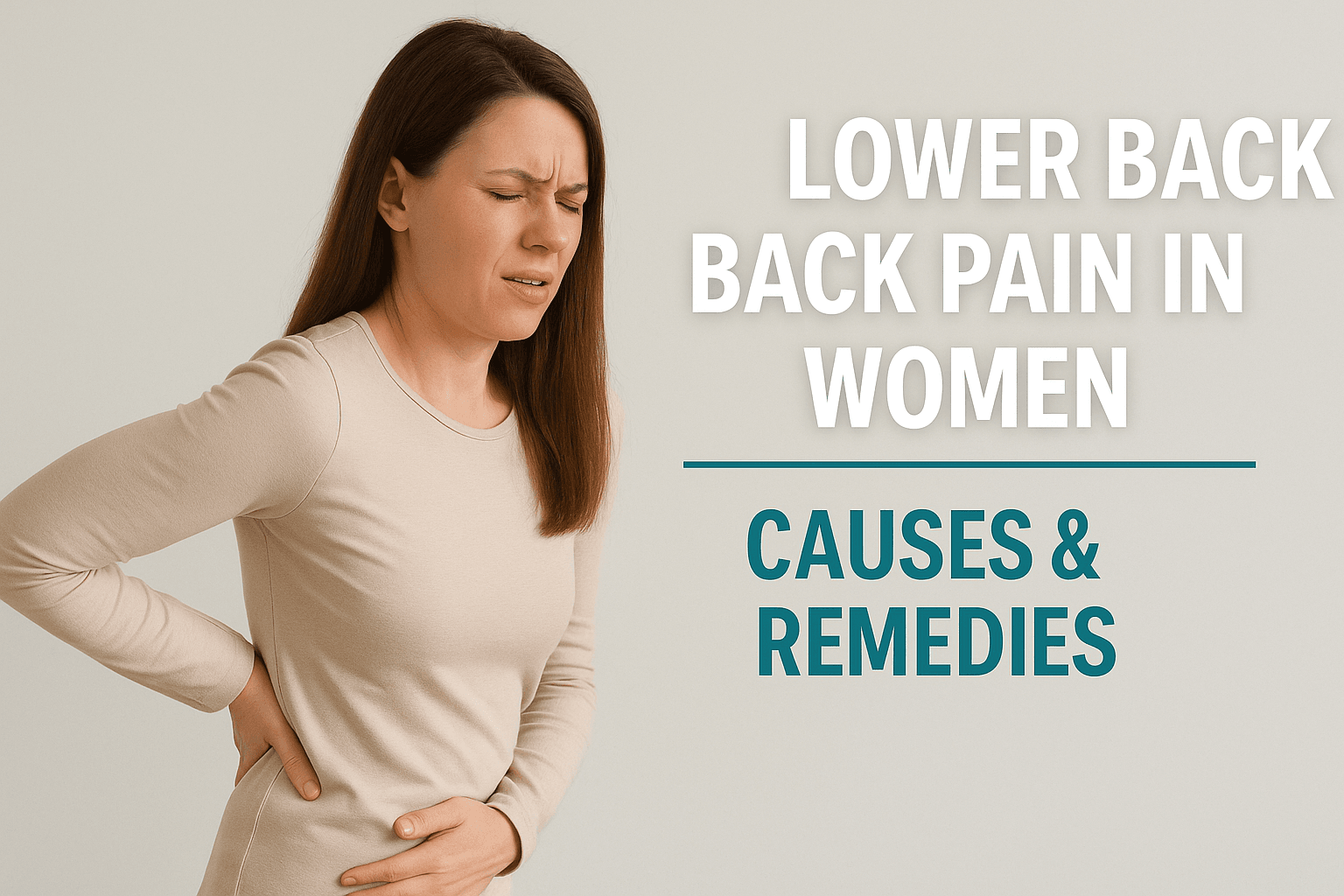
What Causes Lower Back Pain,,
Lower back pain is one of the most common health problems that affect women of all ages. Whether you’re a teenager experiencing menstrual cramps, a working woman sitting at a desk for long hours, or a mother dealing with postpartum strain — back pain can strike at any stage of life.
For many women, the pain may come and go, but for others, it becomes a constant companion, affecting daily activities, mood, and even sleep. Understanding why lower back pain occurs in females and how to deal with it effectively can make a world of difference.
Let’s explore in depth the causes, symptoms, treatments, and preventive measures that every woman should know.
Understanding Lower Back Pain in Women
The lower back — medically known as the lumbar region — supports most of your body’s weight. It allows you to bend, twist, and move freely. However, because it carries so much responsibility, it’s also highly prone to injury and strain.
In women, back pain is more common due to biological and hormonal differences. Hormones that regulate the menstrual cycle and pregnancy also affect muscles, joints, and ligaments. Additionally, lifestyle habits such as sitting for long hours, wearing high heels, and lack of exercise worsen the situation.
Lower back pain can be mild and temporary, or it can be severe and chronic — depending on the cause. The first step toward relief is identifying why it’s happening.
Menstrual Cycle and Hormonal Fluctuations
Many women notice lower back discomfort just before or during their periods. This pain is mainly due to hormonal changes, especially a hormone called prostaglandin, which triggers uterine contractions. These contractions help the uterus shed its lining but can also radiate pain to the lower back and thighs.
The intensity of the pain varies from woman to woman. For some, it’s just a dull ache, while others may find it hard to carry on with daily tasks.
How to relieve it:
- Apply a heating pad to the lower abdomen or back.
- Practice gentle stretching or yoga to ease muscle tension.
- Drink warm fluids such as ginger or cinnamon tea.
- Take over-the-counter pain relief if necessary (after consulting a doctor).
- Maintain a balanced diet rich in magnesium and vitamin B6, which may help reduce cramps.
Regular exercise and relaxation can also balance hormones and reduce period-related back pain in the long term.
Pregnancy and Postpartum Back Pain
During pregnancy, a woman’s body goes through dramatic physical and hormonal changes. As the baby grows, the center of gravity shifts forward, putting extra pressure on the lower spine. Meanwhile, the hormone relaxin loosens the pelvic ligaments to prepare for childbirth — but it also makes the back muscles work harder to keep the spine stable.
After delivery, many women continue to experience back pain, especially while lifting the baby, breastfeeding, or due to weakened core muscles.
To prevent or relieve pregnancy-related back pain:
- Practice prenatal yoga or light stretching.
- Maintain correct posture when sitting or walking.
- Use a support belt to reduce spinal strain.
- Avoid standing for long hours.
- Sleep with a pillow between the knees to align the spine.
If back pain persists months after delivery, it may be due to weak pelvic floor muscles — in that case, physical therapy can help restore strength and balance.
Endometriosis and Pelvic Conditions
Endometriosis is one of the most painful conditions affecting women, and lower back pain is one of its main symptoms. It happens when tissue similar to the uterine lining grows outside the uterus — around the ovaries, fallopian tubes, or pelvic walls.
This misplaced tissue reacts to hormonal changes, causing inflammation, scarring, and intense pain that radiates to the lower back and legs.
Other symptoms of endometriosis include:
- Painful periods
- Discomfort during intercourse
- Bloating and fatigue
- Irregular bleeding
Treatment depends on severity but may include hormonal therapy, pain management, or laparoscopic surgery to remove affected tissue. If you experience recurring back pain linked with your menstrual cycle, consult a gynecologist — early treatment prevents complications.
Pelvic Inflammatory Disease (PID)
Pelvic Inflammatory Disease is an infection that affects the reproductive organs, often caused by bacteria spreading from the vagina to the uterus or fallopian tubes. It can result in inflammation that extends to the lower back and abdomen.
Common signs of PID:
- Persistent lower abdominal or back pain
- Fever and fatigue
- Unusual vaginal discharge with odor
- Pain during sex or urination
PID is a serious condition that requires immediate medical treatment. Antibiotics can clear the infection, but if left untreated, it can lead to chronic pelvic pain or infertility.
To prevent PID, practice safe hygiene, avoid unprotected sex, and ensure regular medical checkups.
Urinary Tract and Kidney Infections
Lower back pain in females can also be linked to urinary tract infections (UTIs) or kidney problems. When bacteria infect the urinary tract, the pain can spread from the bladder to the kidneys, causing a sharp ache in the lower back.
Other symptoms include:
- Frequent urge to urinate
- Burning sensation during urination
- Cloudy or strong-smelling urine
- Pain on one or both sides of the back
In severe cases, fever, chills, and nausea may develop, indicating a kidney infection. Immediate medical care is essential in such situations.
To reduce the risk:
- Drink plenty of water
- Avoid holding urine for long periods
- Wipe from front to back to prevent bacterial spread
- Avoid caffeine and alcohol during infection
Muscle Strain and Lifestyle Habits
Sometimes, the simplest reason behind back pain is muscle strain. Everyday activities such as lifting heavy objects, sitting for long periods, or even sudden twisting movements can strain the back muscles or ligaments.
Modern lifestyle habits — like sitting hunched over a laptop, poor posture, lack of exercise, and sleeping on a bad mattress — make things worse.
For relief:
- Rest for a day or two, but avoid prolonged bed rest.
- Apply cold packs initially, followed by heat therapy.
- Gentle stretching and core-strengthening exercises help recovery.
- Maintain correct posture while working or driving.
Building a strong core and staying physically active is key to preventing this common type of back pain.
Sciatica and Nerve Compression
Sciatica is a condition caused when the sciatic nerve — the longest nerve in the body — gets compressed or irritated. This usually happens due to a herniated disc or spinal misalignment.
The pain starts in the lower back and travels down the buttock and one leg, often described as burning, shooting, or tingling. Sitting for long periods can worsen the pain.
Treatment includes physical therapy, pain management, and sometimes injections to reduce inflammation. Severe cases may require surgery.
Daily stretching, yoga, and maintaining good posture are effective in managing sciatica naturally.
Osteoporosis and Bone Weakness
After menopause, women become more prone to osteoporosis, a condition where bones lose density and become fragile. The vertebrae in the spine may weaken or even compress, leading to chronic back pain and height loss.
Warning signs include:
- Gradual stooping or rounded posture
- Sudden sharp pain after minor strain
- Decrease in height over time
Preventing osteoporosis begins early — eat a diet rich in calcium and vitamin D, engage in weight-bearing exercises, and avoid smoking and excessive caffeine.
Medical treatments may include calcium supplements, bone-strengthening drugs, and regular bone density scans.
Polycystic Ovary Syndrome (PCOS)
PCOS is another hormonal disorder that affects millions of women. It can indirectly cause back pain due to inflammation, weight gain, and hormonal imbalance.
Excess weight puts stress on the lower spine, while hormonal fluctuations can make muscles stiff and painful.
Lifestyle management plays a key role here:
- Follow a balanced diet low in refined carbs and sugar.
- Engage in regular exercise like walking, yoga, or swimming.
- Consult a doctor for hormonal regulation and insulin control.
When PCOS is managed well, associated symptoms like fatigue and back discomfort also improve.
Posture Problems and Sedentary Lifestyle
One of the most overlooked causes of lower back pain in women today is poor posture and sitting for long hours.
Whether working from home or scrolling on your phone, slouching puts uneven pressure on the spine. Over time, this causes stiffness, muscle imbalance, and persistent back ache.
How to fix posture-related pain:
- Sit with your back straight and shoulders relaxed.
- Keep feet flat on the floor.
- Adjust the screen height to eye level.
- Take short stretching breaks every 30–45 minutes.
Combining ergonomic habits with core exercises can prevent long-term spinal damage.
When to See a Doctor
While mild lower back pain can be treated at home, persistent or severe pain needs medical attention. See a doctor if you experience:
- Pain lasting more than two weeks
- Numbness or tingling in the legs
- Pain accompanied by fever or urinary symptoms
- Pain after injury or fall
- Difficulty in standing or walking
These could be signs of nerve compression, infection, or other serious issues that need prompt diagnosis.
Home Remedies for Lower Back Pain Relief
For mild to moderate pain, simple home remedies can provide effective relief:
- Hot and Cold Compress: Ice reduces inflammation, while heat relaxes stiff muscles.
- Gentle Yoga and Stretching: Poses like Cat-Cow and Child’s Pose are highly effective.
- Massage Therapy: Improves blood circulation and eases tension.
- Good Sleep Posture: Sleep on your side with a pillow between your knees.
- Stay Active: Walking or light movement prevents stiffness.
- Healthy Weight: Maintaining ideal body weight reduces spinal pressure.
Consistency is the key — small daily habits can make a big difference.
Medical Treatments for Chronic Pain
When pain doesn’t subside with home care, medical interventions can help.
Treatment depends on the cause but may include:
- Physical Therapy: Strengthens muscles and corrects posture.
- Pain Relief Medication: Such as NSAIDs or muscle relaxants.
- Hormonal Therapy: For conditions like endometriosis or menstrual pain.
- Steroid Injections: To reduce inflammation in severe cases.
- Surgery: For structural issues like herniated discs or spinal stenosis.
Always consult a qualified physician before starting any treatment plan.
Preventing Lower Back Pain in the Long Run
Prevention is better than cure — and small lifestyle adjustments go a long way.
- Maintain correct posture when sitting, standing, or lifting.
- Do core and back exercises regularly.
- Use ergonomically designed chairs and workstations.
- Wear comfortable shoes; avoid high heels for long durations.
- Eat a balanced diet rich in calcium, vitamin D, and protein.
- Manage stress through yoga, meditation, or relaxation activities.
A healthy body posture, combined with regular exercise, is the best protection for your back.
Conclusion
What Causes Lower Back Pain,,
Lower back pain in females is much more than just a physical discomfort — it reflects a deeper connection between hormonal balance, lifestyle choices, and overall body health. Women’s bodies go through numerous changes throughout life — menstruation, pregnancy, childbirth, menopause — each of which can influence the spine and surrounding muscles. Understanding these factors helps not only in managing pain effectively but also in preventing future episodes.
Most women tend to ignore mild back pain, thinking it’s temporary, but consistent strain or hormonal fluctuations can turn it into a chronic condition. That’s why early attention and a holistic approach are essential. A combination of good posture, regular exercise, balanced nutrition, and mindful rest can dramatically improve spinal health. Practicing yoga, stretching daily, and maintaining a healthy weight are natural ways to build long-term strength and flexibility.
Remember, your back supports every movement your body makes — it deserves care and attention. So, don’t wait for pain to worsen. Take charge of your health, stay active, and make small but powerful changes in your routine. A strong, flexible, and pain-free back not only supports your body but also boosts your confidence, productivity, and overall quality of life.
Your spine is the foundation of your strength — protect it, nurture it, and it will support you for years to come. 💪
If you don’t want to read, you can watch the video by clicking on this Link…
https://youtu.be/F-guZNSuwKY?si=3fTya5YGxLvmzTlF
https://onlinehelpful.com/blog/
Frequently Asked Questions
1. Why is lower back pain more common in females?
Lower back pain is more common in females due to hormonal fluctuations, pregnancy, menstruation, and conditions like endometriosis. Women’s pelvic structure and bone density also make the lower back more sensitive to strain, especially during hormonal changes or after childbirth.
2. Can menstrual periods cause lower back pain?
Yes, many women experience back pain during their periods because of prostaglandins, hormones that cause uterine contractions. These contractions radiate pain to the lower back. Using a heating pad, staying hydrated, and doing gentle stretches often help relieve the pain.
3. What does pregnancy-related back pain feel like?
Pregnancy back pain usually feels like a dull ache or pulling sensation in the lower back and hips. It happens because of extra weight, hormonal changes, and posture shifts. Practicing light stretches, using a support belt, and sleeping with a pillow between the knees can reduce discomfort.
4. How do I know if my lower back pain is due to a kidney or urinary infection?
If your pain is sharp, deep, and accompanied by fever, chills, or burning urination, it may be caused by a UTI or kidney infection. Such pain is often one-sided and doesn’t improve with rest. Medical attention is necessary to avoid complications.
5. When should I see a doctor for lower back pain?
You should visit a doctor if:
Pain lasts for more than two weeks
It spreads to your legs or causes numbness
You experience fever or urinary problems
Pain started after an injury or fall
These symptoms may indicate a serious underlying issue that needs prompt treatment.
6. What are the best home remedies for lower back pain?
Simple remedies can work wonders:
Apply hot or cold packs
Do light yoga or stretching
Maintain a healthy posture
Sleep on a firm mattress
Drink enough water and eat a balanced diet
Consistency in these habits can reduce long-term pain.
7. How can I prevent lower back pain naturally?
To prevent lower back pain:
Maintain correct posture when sitting or standing
Exercise regularly, especially core and back strengthening
Lift objects properly (bend your knees, not your back)
Avoid high heels for long hours
Eat calcium- and vitamin D-rich foods to keep bones strong