
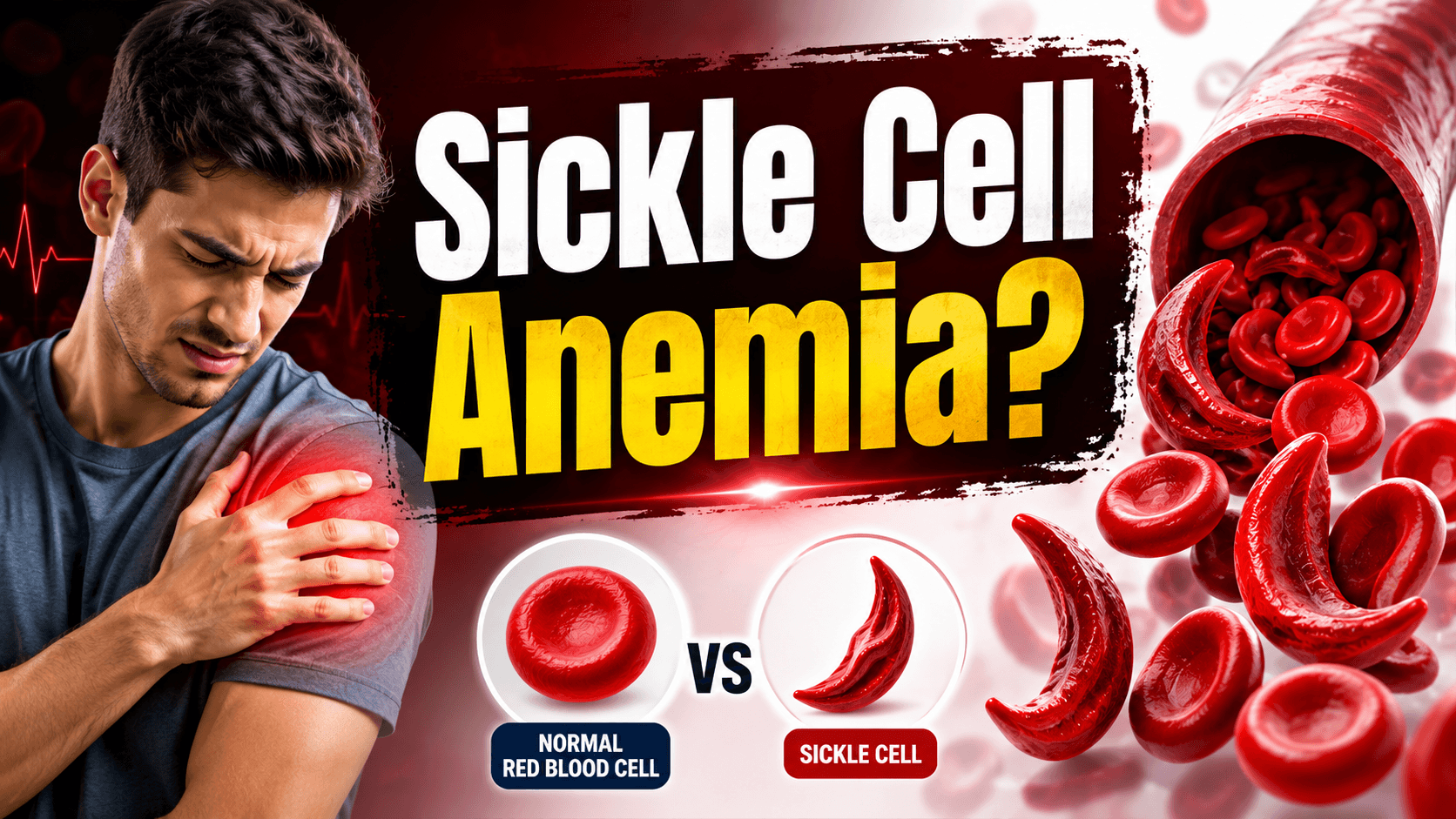
What Is Sickle Cell Anemia?
Sickle cell anemia is a genetic blood disorder that affects the shape and function of red blood cells. In healthy people, red blood cells are round, flexible, and smooth, allowing them to move easily through blood vessels and deliver oxygen to every part of the body. However, in people with sickle cell anemia, many red blood cells become hard, sticky, and shaped like a crescent or sickle. These abnormal cells do not flow smoothly through blood vessels, which can reduce the oxygen supply to important organs and tissues.
The condition is present from birth because it is inherited from both parents. Sickle cell anemia is caused by a mutation in the gene that produces hemoglobin, the protein in red blood cells responsible for carrying oxygen throughout the body. The abnormal form of hemoglobin is called hemoglobin S (HbS). When oxygen levels become low, hemoglobin S can cause red blood cells to change into their characteristic sickle shape.
Unlike healthy red blood cells, which usually live for about 120 days, sickle-shaped cells survive for only 10 to 20 days. Since these cells die much faster than the body can replace them, the number of red blood cells decreases, leading to anemia. As a result, many people with sickle cell anemia experience ongoing fatigue, weakness, and a lack of energy.
How Sickle Cell Anemia Affects the Body
Sickle-shaped blood cells can create several health problems because they do not move through blood vessels efficiently. These cells may become trapped in small blood vessels, slowing or blocking normal blood flow. When this happens, oxygen cannot reach nearby tissues, which may cause pain and damage to different organs over time.
Sickle cell anemia can impact several organs and body systems, including the following:
- Brain
- Heart
- Lungs
- Kidneys
- Liver
- Bones
- Eyes
- Spleen
Frequent blockage of blood vessels can lead to serious health complications if sickle cell anemia is not properly treated and managed.
Key Facts About Sickle Cell Anemia
- It is an inherited blood disorder passed from parents to their children.
- This condition causes normal red blood cells to become stiff, sickle-shaped, reducing their ability to flow smoothly through blood vessels.
- Abnormal cells carry oxygen less efficiently than normal red blood cells.
- Sickle-shaped cells break down much faster, causing chronic anemia.
- Blocked blood vessels may lead to pain episodes and organ damage.
- The condition is lifelong, but proper treatment and regular medical care can help people live healthier and longer lives.
- Early diagnosis is important because it allows treatment to begin before serious complications develop.
Sickle cell anemia is among the most common inherited blood disorders, affecting millions of people around the world. Although there is currently no universal cure for every patient, advances in medical care, medications, blood transfusions, and stem cell transplantation have significantly improved life expectancy and quality of life. Understanding what sickle cell anemia is and how it affects the body is the first step toward recognizing its symptoms, seeking early diagnosis, and receiving the right treatment.
Causes of Sickle Cell Anemia
Sickle cell anemia is caused by an inherited mutation in the HBB gene, which provides instructions for making hemoglobin—the protein in red blood cells that carries oxygen throughout the body. This gene mutation causes the body to produce abnormal hemoglobin S (HbS) instead of healthy, normal hemoglobin. When oxygen levels drop, hemoglobin S causes red blood cells to become rigid and sickle-shaped, making it difficult for them to move smoothly through blood vessels.
Unlike infections or lifestyle-related diseases, sickle cell anemia cannot be caught from another person. It is a hereditary condition, meaning a child is born with the disease only if both parents pass on the abnormal hemoglobin gene.
Main Causes of Sickle Cell Anemia
The following factors are responsible for the development of sickle cell anemia:
- Inherited HBB Gene Mutation: The primary cause is a mutation in the HBB gene that produces abnormal hemoglobin S.
- Both Parents Carry the Gene: A child develops sickle cell anemia when they inherit one defective gene from each parent.
- Abnormal Hemoglobin Production: Hemoglobin S changes the shape of red blood cells, especially when oxygen levels are low.
- Short Lifespan of Red Blood Cells: Sickle-shaped cells die much sooner than healthy red blood cells, leading to chronic anemia.
- Blocked Blood Flow: The rigid, sticky cells can block small blood vessels, reducing oxygen delivery to tissues and organs.
How Is Sickle Cell Anemia Inherited?
Sickle cell anemia is a hereditary blood disorder inherited from both parents through an autosomal recessive genetic pattern. A child will have sickle cell anemia only when they receive the sickle cell gene from both their mother and father.
There are three common possibilities:
- Both parents are carriers: The child has a chance of having sickle cell anemia, being a carrier, or inheriting normal genes.
- One parent has the disease and the other is a carrier: The child has a higher chance of inheriting the disease.
- Only one parent carries the gene: The child usually becomes a carrier but does not develop sickle cell anemia.
Couples with a family history of sickle cell disease are often encouraged to seek genetic counseling to better understand their risk of passing the condition to their children.
Who Is at Higher Risk?
Certain people are more likely to inherit sickle cell anemia because the gene is more common in specific populations.
Higher-risk groups include people with family roots in:
- Africa
- India
- The Middle East
- Mediterranean countries
- Parts of Central and South America
- The Caribbean
Having a close family member with sickle cell disease or carrying the sickle cell trait also increases the likelihood of passing the gene to future generations.
Why Early Genetic Testing Matters
Early screening and genetic testing can identify whether a person has sickle cell anemia or is a carrier of the sickle cell trait. Many countries perform newborn screening so treatment can begin as early as possible. Early diagnosis allows doctors to monitor the condition, prevent serious complications, and provide families with guidance for future pregnancies.
Although the genetic mutation cannot currently be prevented, understanding its causes and inheritance pattern helps people make informed healthcare decisions, receive timely medical care, and reduce the risk of severe complications through early intervention.
Symptoms and Diagnosis
The severity of sickle cell anemia varies from person to person, with some individuals experiencing mild symptoms while others develop serious or life-threatening complications. Some individuals experience mild symptoms, while others may have frequent pain episodes and serious health complications. In many cases, symptoms begin to appear around 5 to 6 months of age, when the baby’s fetal hemoglobin is gradually replaced by hemoglobin S.
Sickle-shaped red blood cells are less efficient at transporting oxygen and may block blood vessels, limiting oxygen supply to the body’s organs and tissues. This can lead to a wide range of symptoms that affect daily life and overall health.
Common Symptoms of Sickle Cell Anemia
The most common signs and symptoms include:
- Persistent fatigue and weakness
- Pale skin or pale lips
- Shortness of breath
- Frequent pain episodes (called sickle cell crises)
- Swelling of the hands and feet
- Yellowing of the skin or eyes (jaundice)
- Frequent infections
- Delayed growth and puberty in children
- Eye damage from blocked or damaged blood vessels can lead to vision problems or reduced eyesight.
- Dizziness or headaches
Pain crises are one of the most noticeable symptoms of sickle cell anemia. They occur when sickle-shaped red blood cells block blood flow in small blood vessels. The pain can develop suddenly and may affect the chest, abdomen, back, arms, or legs. Some episodes last only a few hours, while others may continue for several days and require medical treatment.
Possible Complications
If sickle cell anemia is not managed properly, it may lead to serious complications over time, including:
- Stroke
- Acute chest syndrome
- Organ damage
- Kidney disease
- Gallstones
- Vision loss
- Leg ulcers
- Pulmonary hypertension
- Increased risk of severe infections
Regular medical checkups help detect these complications early and reduce their impact.
How Is Sickle Cell Anemia Diagnosed?
Doctors diagnose sickle cell anemia using a combination of medical history, physical examination, and laboratory tests. Early diagnosis is important because it allows treatment to begin before serious complications develop.
Common diagnostic tests include:
- Complete Blood Count (CBC): Evaluates red blood cell levels, hemoglobin, and other blood components to detect anemia and related abnormalities.
- Hemoglobin Electrophoresis: The most accurate test for identifying abnormal hemoglobin, including hemoglobin S.
- Genetic Testing: Confirms mutations in the HBB gene and determines whether a person has sickle cell disease or carries the sickle cell trait.
- Newborn Screening: Many countries routinely screen newborn babies to detect sickle cell disease shortly after birth.
- Blood Smear Test: Examines the shape of red blood cells under a microscope.
When to See a Doctor
Immediate medical attention is recommended if a person with sickle cell anemia experiences:
- Severe or persistent pain
- High fever or signs of infection
- Difficulty breathing
- Chest pain
- Sudden weakness or numbness
- Vision changes
- Severe headache or confusion
Recognizing symptoms early and obtaining an accurate diagnosis can significantly improve long-term health outcomes. With regular monitoring, appropriate treatment, and timely medical care, many people with sickle cell anemia are able to manage their symptoms effectively and reduce the risk of life-threatening complications.
Treatment and Prevention
Although sickle cell anemia has no universal cure, modern treatments can help control symptoms, reduce complications, and improve quality of life. The treatment plan depends on a person’s age, symptoms, overall health, and the severity of the disease. Regular medical care is essential because early treatment can prevent many serious health problems.
Doctors usually focus on relieving pain, preventing infections, increasing oxygen delivery, and protecting organs from long-term damage. Some patients require only routine care, while others may need advanced treatments such as blood transfusions or stem cell transplantation.
Common Treatment Options
The following treatments are commonly used to manage sickle cell anemia:
- Pain-relieving medications: Help control pain during sickle cell crises.
- Hydroxyurea: A prescription medicine that increases fetal hemoglobin (HbF), which reduces the number of sickle-shaped red blood cells and lowers the frequency of pain episodes.
- Blood Transfusions: Help manage severe anemia and lower the risk of serious complications, including stroke.
- Antibiotics: Young children are often given preventive antibiotics to reduce the risk of serious bacterial infections.
- Folic Acid Supplements: Help the body produce healthy red blood cells and support overall blood health.
- Oxygen therapy: May be needed during severe complications or breathing difficulties.
- Stem cell (bone marrow) transplant: In selected patients, this treatment may offer the possibility of a long-term cure, although it is not suitable for everyone.
Every treatment should be taken only under the guidance of a qualified healthcare professional.
Lifestyle Tips to Manage the Condition
Healthy daily habits can help lower the risk of complications and support overall well-being. People with sickle cell anemia should:
- Drink plenty of water to stay hydrated.
- Eat a well-balanced diet with plenty of fruits, vegetables, whole grains, and lean protein to support overall health and energy.
- Take prescribed medications exactly as directed.
- Avoid smoking and exposure to secondhand smoke.
- Get enough sleep and regular rest.
- Avoid extreme temperatures whenever possible.
- Exercise moderately after consulting a healthcare provider.
- Keep all scheduled medical appointments and routine blood tests.
- Stay up to date with recommended vaccinations.
Maintaining these healthy habits may help lower the risk of pain episodes and improve your overall quality of life.
Can Sickle Cell Anemia Be Prevented?
Because sickle cell anemia is an inherited genetic disorder, the disease itself cannot be prevented after conception. However, there are important ways to reduce the risk of passing it to future generations and to detect it early.
Helpful preventive measures include:
- Genetic counseling for couples with a family history of sickle cell disease.
- Carrier screening before planning a pregnancy.
- Prenatal testing when recommended by a healthcare provider.
- Newborn screening for early diagnosis and treatment.
- Regular medical monitoring to prevent complications through early intervention.
Understanding family history and seeking genetic advice can help families make informed reproductive decisions.
Living Well With Sickle Cell Anemia
Many people with sickle cell anemia lead active and fulfilling lives by following their treatment plan and working closely with their healthcare team. Early diagnosis, proper medication, healthy lifestyle choices, and routine medical care can significantly reduce complications and improve life expectancy.
Ongoing medical research continues to develop new therapies, including advanced gene-based treatments, offering hope for even better outcomes in the future. While sickle cell anemia remains a lifelong condition for most patients, proper management allows many individuals to attend school, work, travel, and enjoy everyday activities with greater confidence and a better quality of life.
Conclusion
Sickle cell anemia is a lifelong inherited blood disorder that affects the shape and function of red blood cells, reducing the body’s ability to deliver oxygen efficiently. Understanding its causes, recognizing early symptoms, and obtaining a timely diagnosis are essential for preventing serious complications and improving long-term health.
Although there is no universal cure for sickle cell anemia, modern treatments, regular medical care, healthy lifestyle choices, and ongoing monitoring can help manage symptoms and reduce the risk of pain crises and organ damage. Genetic counseling and early screening also play an important role in helping families understand the condition and make informed healthcare decisions.
With continued advances in medical research and better access to treatment, many people living with sickle cell anemia can lead active, productive, and fulfilling lives. Staying informed, following your healthcare provider’s advice, and seeking prompt medical attention when symptoms worsen are the best steps toward maintaining overall health and improving quality of life.
➤ Click this link to discover powerful remedies for common body diseases and valuable tips to protect and maintain your overall health.
https://onlinehelpful.com/category/health/
➤ Prefer watching instead of reading? Click the link below to view the complete video guide.
https://youtu.be/fIIJmg_1hv0?si=xQ37ECwmmo1ARh6l