

Woman pain in upper left side of stomach can occur for several reasons, ranging from gas and indigestion to conditions affecting the stomach, pancreas, spleen, or kidneys. The location, severity, and duration of the pain, along with other symptoms, can help doctors identify the possible cause. Some cases may improve as a minor digestive problem settles, while others require medical attention. Understanding the possible causes and warning signs can help women know when to seek medical care and avoid ignoring symptoms that may need prompt evaluation.
What Causes Pain in the Upper Left Side of the Stomach in Women?
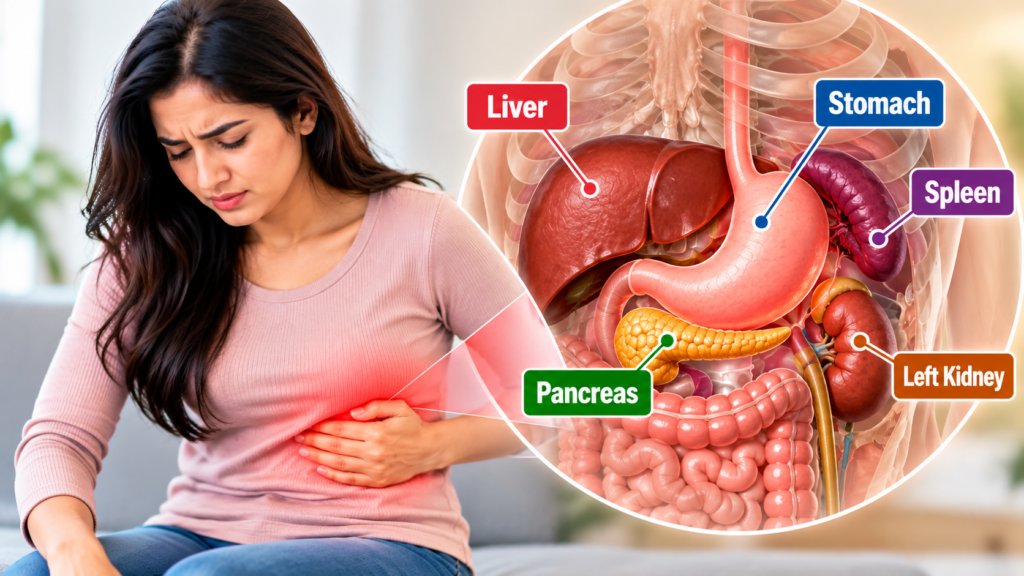
Pain in the upper left side of the stomach in women can have several causes, depending on the location, severity, and duration of the pain. Common possibilities include gas, indigestion, and stomach inflammation, while other causes may involve the pancreas, kidneys, or spleen. The symptoms accompanying the pain can help doctors determine what may be causing it.
1. Gas and Indigestion
Digestive issues such as indigestion and gas buildup may cause discomfort on the upper-left side of the abdomen. Symptoms can include bloating, frequent burping, or discomfort following meals, which may ease after passing gas or stool.
2. Gastritis and Stomach Ulcers
Gastritis occurs when the stomach lining becomes inflamed, while stomach ulcers are open sores in the stomach lining. These digestive problems can trigger a burning sensation or pain in the upper abdomen, sometimes with nausea, bloating, or post-meal discomfort. The exact symptoms vary from person to person.
3. Constipation and Digestive Problems
Constipation may lead to bloating, abdominal discomfort, and fullness. When stool builds up in the colon, pain may occur on the left side of the abdomen. Other symptoms may include hard stools, straining during bowel movements, or passing stools less frequently than usual.
4. Pancreatitis
Pancreatitis occurs when the pancreas becomes inflamed, causing upper abdominal pain that may extend to the back. Nausea, vomiting, and fever can also develop. Seek urgent medical care for sudden, severe, or ongoing upper abdominal pain.
5. Kidney Stones or Kidney Infection
Problems affecting the left kidney can sometimes cause pain on the left side of the abdomen or in the back and flank. Kidney stones can cause intense, intermittent pain, while kidney infections may lead to fever, chills, and painful or frequent urination. These conditions may require prompt medical treatment.
6. Enlarged or Injured Spleen
The spleen sits beneath the ribs in the upper-left abdomen. An enlarged spleen may cause pain or a feeling of fullness in the upper-left abdomen. An injury to the spleen may cause sudden pain, particularly after an accident or blow to the abdomen. Severe pain, dizziness, or fainting after an injury requires emergency medical attention.
7. Muscle Strain and Rib Problems
Strained abdominal muscles or problems involving the ribs can cause pain in the upper left abdomen. The discomfort may become worse when twisting, bending, coughing, taking a deep breath, or pressing the affected area. However, pain that worsens with movement should not automatically be assumed to be muscular, especially if other symptoms are present.
Important: These are possible causes, not a diagnosis. Pain location alone cannot determine the cause. Seek emergency care for severe abdominal pain, breathing difficulties, fainting, chest pain, or signs of internal bleeding. Consult a healthcare professional if the pain persists or worsens.
What Other Symptoms Can Occur With Upper Left Stomach Pain?
Women may experience additional symptoms with upper-left abdominal pain, depending on its cause. Some women may experience bloating or nausea, while others may have fever, changes in bowel movements, or pain that spreads to the back. Noticing when the pain begins, how long it lasts, and which other symptoms occur can help a healthcare professional identify the possible cause.
Bloating and a Feeling of Fullness
Gas buildup or indigestion can lead to abdominal swelling, burping, and fullness. Some women notice these symptoms after eating or drinking. However, persistent bloating accompanied by ongoing abdominal pain should not automatically be attributed to gas.
Nausea and Vomiting
Nausea or vomiting may accompany gastritis, pancreatitis, and other digestive conditions. Repeated vomiting, especially when accompanied by severe abdominal pain or an inability to keep fluids down, requires prompt medical assessment.
Fever and Chills
Upper-left abdominal pain accompanied by fever or chills may signal infection or inflammation. These symptoms can occur with certain kidney infections and other medical conditions. A healthcare professional should assess abdominal pain accompanied by fever, particularly if the pain is worsening.
Upper Abdominal Pain That Spreads to the Back or Shoulder
Pancreatitis may cause upper-left abdominal pain that radiates toward the back. Pain near the left shoulder after an injury to the abdomen may indicate a spleen injury. Sudden or severe pain, particularly after an injury, requires emergency medical evaluation.
Changes in Bowel Movements
Constipation may cause abdominal discomfort, bloating, and difficulty passing stools. Other digestive conditions can cause diarrhea or changes in bowel habits. Blood in the stool or black, tarry stools may indicate gastrointestinal bleeding and require urgent medical attention.
Burning or Pain During Urination
Pain in the upper left abdomen or nearby flank may sometimes occur with a kidney problem. Additional symptoms, such as painful urination, frequent urination, fever, or chills, may suggest a urinary tract or kidney infection. These symptoms should be assessed by a healthcare professional.
Pain After Eating
Pain that begins or worsens after eating may occur with indigestion, gastritis, or a stomach ulcer. The timing of the pain, the foods associated with it, and any accompanying symptoms can provide useful information during a medical assessment. However, pain after eating alone cannot establish a diagnosis.
When to Seek Medical Help
Seek emergency care for sudden or severe upper-left abdominal pain, especially with chest pain, breathing difficulties, fainting, bloody vomit, or black, tarry stools. Severe pain following an abdominal injury also requires immediate assessment.
If the pain persists, repeatedly returns, worsens, or occurs with fever or repeated vomiting, contact a healthcare professional. The location of the pain and its accompanying symptoms can provide clues, but they cannot reliably identify the cause without appropriate medical evaluation.
When Does Upper-Left Abdominal Pain Require Medical Attention?
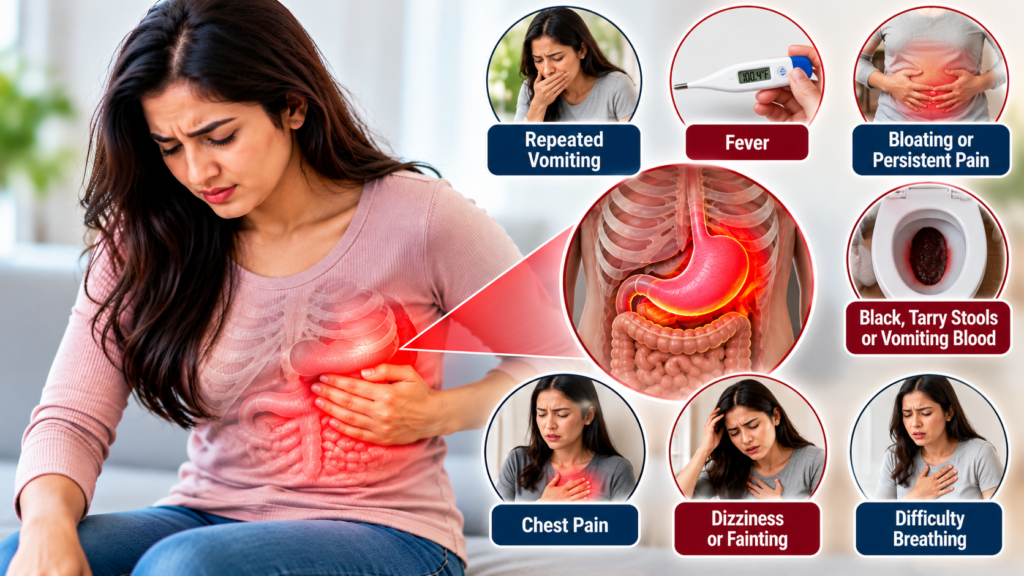
Upper left abdominal pain should not be ignored when it is severe, persistent, or accompanied by other concerning symptoms. Although gas and indigestion can cause discomfort in this area, pain may also result from conditions affecting the stomach, pancreas, spleen, kidneys, or other organs. Knowing the warning signs helps you determine when to seek medical attention.
Sudden or Severe Abdominal Pain
Seek emergency medical care if the pain starts suddenly, is intense, or becomes rapidly worse. Severe pain may indicate a serious condition, such as acute pancreatitis, a perforated stomach ulcer, or an injury to an abdominal organ.
Pain With Chest Discomfort or Difficulty Breathing
Upper abdominal pain accompanied by chest pressure, shortness of breath, cold sweating, or pain spreading to the arm, jaw, or back may indicate a heart-related emergency. These symptoms may have causes beyond digestive issues. Call your local emergency number immediately.
Pain After an Injury
Pain in the upper left abdomen after a fall, car accident, or blow to the abdomen may indicate an injury to the spleen, which is located beneath the left ribs. Warning signs of internal bleeding include dizziness, fainting, unusual weakness, and pain near the left shoulder. Get emergency medical help if these symptoms develop following an injury.
Abdominal Pain With Fever or Repeated Vomiting
Abdominal pain accompanied by fever, chills, or repeated vomiting may indicate an infection or inflammation that needs medical assessment. Seek prompt medical care, particularly if the pain is worsening or you cannot keep fluids down.
Blood in Vomit or Stool
Vomiting blood or material that resembles coffee grounds, or passing black, tarry stools or significant amounts of blood in the stool, may indicate gastrointestinal bleeding. These symptoms require emergency medical attention.
Persistent or Recurrent Pain
Arrange a medical appointment if the pain does not improve, keeps returning, becomes progressively worse, or interferes with eating and daily activities. A healthcare professional can assess the symptoms and determine whether tests or treatment are needed.
Important: The severity of pain does not always reflect how serious the underlying condition is. If you experience sudden or severe abdominal pain, difficulty breathing, chest pain, fainting, or signs of internal bleeding, seek emergency care rather than waiting for the symptoms to improve.
How Do Doctors Diagnose Upper Left Abdominal Pain?
Doctors diagnose upper left abdominal pain by reviewing symptoms, examining the abdomen, and selecting tests based on the suspected cause. Because several organs are located in or near this area, the location of the pain alone may not be enough to identify the underlying problem.
Medical History and Symptoms
The doctor may ask when the pain started, where it is located, how severe it feels, and whether it gets worse after eating or moving. You may also be asked about nausea, vomiting, fever, bowel movements, urinary symptoms, medications, previous medical conditions, and the possibility of pregnancy.
Physical Examination
The doctor will examine the abdomen for tenderness, swelling, or other signs that may help identify the source of the pain. Depending on the symptoms, the examination may also include checking vital signs and examining other areas of the body.
Blood and Urine Tests
Blood tests can help detect infection, inflammation, or organ-related abnormalities. If pancreatitis is suspected, the doctor may check pancreatic enzymes such as lipase. Urine tests may help identify a urinary tract infection or provide clues about kidney stones.
Imaging Tests
Imaging may be needed if symptoms and physical examination indicate a need for further evaluation.
- Ultrasound: May help assess the spleen, kidneys, and other abdominal structures.
- CT scan: Can provide detailed images when a serious abdominal condition, kidney stone, organ injury, or another cause is suspected.
- Other imaging tests: The doctor may recommend additional imaging depending on the suspected condition.
Not everyone with upper left abdominal pain needs imaging or laboratory tests. The choice depends on the symptoms, physical examination, medical history, and possible risks.
Pregnancy Testing, When Appropriate
If pregnancy is possible, a pregnancy test may be recommended because pregnancy can affect which conditions doctors consider and which investigations are appropriate. Abdominal pain with possible pregnancy may require prompt assessment, especially when accompanied by vaginal bleeding, dizziness, or severe pain.
Important: If the pain is sudden or severe, or occurs with chest pain, difficulty breathing, fainting, or signs of internal bleeding, seek emergency medical care instead of waiting for a routine appointment.
How Is Upper Left Stomach Pain Treated?
Treatment for upper left stomach pain in women depends on the underlying cause, the severity of the symptoms, and the person’s overall health. Mild digestive problems may improve with simple dietary changes, while conditions such as pancreatitis, kidney infections, or spleen injuries may require urgent medical treatment. Identifying the cause is important before choosing the appropriate treatment.
Treatment for Gas and Indigestion
If the pain is caused by mild gas or indigestion, eating smaller meals, eating slowly, avoiding foods that trigger symptoms, and drinking enough water may help. A pharmacist or healthcare professional can advise whether an appropriate medicine may be useful. Persistent or worsening pain should not be treated as simple indigestion without medical assessment.
Treatment for Gastritis and Stomach Ulcers
Treatment depends on the cause. Doctors may prescribe medication to lower stomach acid levels. If an ulcer is caused by Helicobacter pylori bacteria, treatment usually involves specific antibiotics and acid-reducing medication. Avoid taking anti-inflammatory painkillers such as ibuprofen or naproxen without medical advice if a stomach ulcer is suspected, because these medicines can worsen some stomach problems.
Treatment for Constipation
If constipation is causing the discomfort, drinking enough fluids, gradually increasing dietary fiber, and regular physical activity may help. A healthcare professional or pharmacist can advise whether a laxative is appropriate. Severe abdominal pain, vomiting, or an inability to pass stool or gas requires prompt medical assessment rather than self-treatment.
Treatment for Pancreatitis
Pancreatitis requires medical evaluation and may need hospital treatment, particularly when symptoms are severe. Care may involve IV fluids, pain relief, nutritional support, and treatment of the underlying condition. Sudden, severe upper abdominal pain, especially when it spreads to the back or occurs with repeated vomiting, requires urgent medical care.
Treatment for Kidney Stones or Kidney Infection
Treatment depends on the specific kidney problem. Some small kidney stones may pass without a procedure, while larger stones may require medical intervention. Kidney infections typically need doctor-prescribed antibiotics. Fever, chills, vomiting, or severe flank pain should be assessed promptly.
Treatment for Spleen or Muscle Problems
An injured spleen can cause internal bleeding and may require emergency treatment. Do not assume that pain beneath the left ribs after an injury is merely a muscle strain. For a confirmed mild muscle strain, rest and avoiding activities that worsen the pain may help, but persistent or severe symptoms require medical assessment.
When to Seek Medical Care
Get emergency care for sudden or intense abdominal pain, chest pain, breathing difficulties, fainting, bloody vomit, or black, tar-like stools. If the pain persists, repeatedly returns, or becomes worse, arrange a medical assessment to identify the cause and determine the appropriate treatment.
Important: Avoid taking antibiotics or prescription drugs without medical advice. If you are pregnant or may be pregnant, consult a healthcare professional before taking medication.
Final Thoughts
Woman pain in upper left side of stomach can occur due to gas, indigestion, gastritis, or conditions affecting the pancreas, spleen, or kidneys. Understanding the possible causes and accompanying symptoms can help women recognize when medical attention is necessary. If upper left abdominal pain persists, worsens, or occurs with fever or repeated vomiting, consult a healthcare professional. Sudden or severe pain, chest discomfort, difficulty breathing, or fainting requires emergency medical care. Identifying the underlying cause is essential for receiving appropriate treatment and protecting your health.
Frequently Asked Questions
Q1. What Is the Most Common Cause of Upper Left Stomach Pain in Women?
A: Gas, indigestion, and constipation are possible causes of upper left stomach pain in women. However, the cause varies depending on the symptoms and the person’s medical history. Persistent or severe pain may indicate a condition affecting the stomach, pancreas, spleen, or kidneys and should be medically evaluated.
Q2. Can Gas Cause Pain in the Upper Left Side of the Stomach?
A: Yes, trapped gas can cause discomfort or cramping in the upper left abdomen. It may also cause bloating, belching, and a feeling of fullness, sometimes improving after passing gas or having a bowel movement. Severe, persistent, or worsening pain should not automatically be attributed to gas.
Q3. Why Does My Upper Left Abdomen Hurt After Eating?
A: Pain after eating may be associated with indigestion, gastritis, or a stomach ulcer. Bloating and gas can also cause discomfort after meals. If the pain occurs frequently, becomes severe, or is accompanied by repeated vomiting, seek medical advice to determine the cause.
Q4. Can Kidney Problems Cause Upper Left Abdominal Pain?
A: Yes, certain kidney problems, including kidney stones and kidney infections, can cause pain on the left side of the abdomen or in the back and flank. Other symptoms may include painful urination, blood in the urine, fever, or chills. These symptoms require medical assessment, particularly when the pain is severe or fever is present.
Q5. When Should I See a Doctor for Upper Left Stomach Pain?
A: Consult a healthcare professional if the pain persists, repeatedly returns, or becomes worse. Seek emergency medical care for sudden or severe pain, chest pain, difficulty breathing, fainting, vomiting blood, or black, tarry stools. Prompt evaluation can help identify serious conditions and determine the appropriate treatment.
Q6. Can Pregnancy Cause Upper Left Abdominal Pain?
A: Pregnancy can contribute to digestive problems, such as constipation, bloating, and indigestion, which may cause abdominal discomfort. However, persistent or severe upper left abdominal pain should not automatically be considered a normal pregnancy symptom. If you are pregnant or might be pregnant and experience significant pain, contact a healthcare professional promptly. Severe pain, fainting, or vaginal bleeding requires urgent medical evaluation.