

Women’s mental well-being supports emotional stability, stress management, and a better quality of life. Women may face different challenges related to work, family responsibilities, relationships, hormonal changes, and major life transitions. These experiences can sometimes affect their emotional well-being and mental health.
Taking care of mental health involves developing healthy habits, getting enough sleep, staying physically active, maintaining supportive relationships, and seeking professional help when needed. Noticing changes in emotional well-being early can help women access appropriate care sooner.
What Is Mental Health and Wellness for Women?
A woman’s mental health can shape her coping skills, emotional responses, and everyday decisions. It affects how women manage stress, handle everyday challenges, make decisions, and maintain relationships. Good mental health does not mean feeling happy all the time. It also involves understanding emotions, coping with difficult situations, and seeking support when needed.
Financial strain, personal relationships, health issues, daily pressures, and hormonal shifts can affect women’s moods and emotional health. Menstruation, pregnancy, postpartum recovery, and menopause may also influence mood differently in each woman.
Maintaining mental wellness involves developing healthy habits, getting sufficient sleep, staying physically active, building supportive relationships, and making time for personal needs. These practices can support overall well-being, although they cannot replace professional care when it is needed.
Recognizing when emotional struggles need professional support is equally important. If anxiety, persistent sadness, or changes in sleep and daily activities continue or interfere with everyday life, consulting a qualified healthcare professional can help women understand their concerns and explore appropriate support.
Common Mental Health Challenges Women May Experience
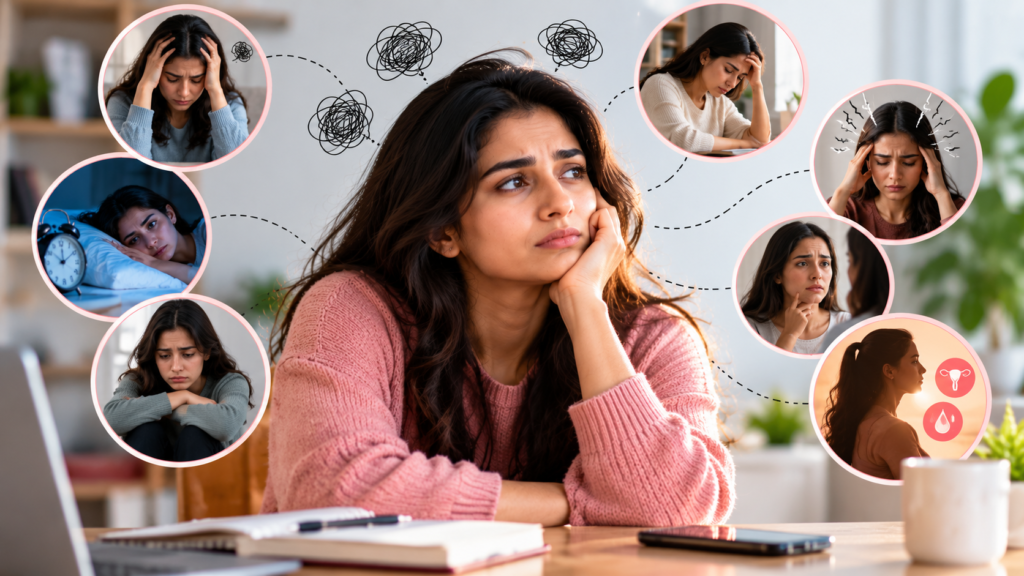
Women may experience different mental health challenges throughout their lives due to a combination of biological, psychological, and social factors. Work-related stress, family responsibilities, financial difficulties, relationship problems, and major life changes can affect emotional well-being. Women are more likely than men to experience depression and anxiety.
1. Stress and Emotional Exhaustion
Managing work, home life, and personal duties can place considerable pressure on women. Prolonged stress may contribute to fatigue, irritability, difficulty concentrating, sleep problems, and reduced interest in everyday activities. Finding time to rest and seeking support can help women manage these pressures.
2. Anxiety and Excessive Worry
Anxiety can involve persistent worry, nervousness, fear, or a feeling that something bad may happen. Possible symptoms include agitation, tense muscles, sleep disturbances, and a rapid heartbeat. When anxiety becomes difficult to control or interferes with daily activities, professional guidance may be helpful.
3. Depression and Persistent Low Mood
Depression is more than occasional sadness. It can involve persistent low mood, loss of interest in activities, low energy, changes in sleep or appetite, and difficulty concentrating. Depression can interfere with daily tasks, work, and relationships, but professional treatment can support recovery.
4. Mental Health Changes During Hormonal Transitions
Some women experience mood changes around menstruation, during pregnancy, after childbirth, or throughout the transition to menopause. Possible effects include mood changes, nervousness, and increased irritability. Severe or persistent symptoms should not be dismissed as normal hormonal changes, as assessment and treatment may be needed.
5. Body Image and Eating-Related Concerns
Cultural expectations, social media comparisons, and unrealistic beauty ideals may influence women’s body image and self-esteem. For some, these concerns may contribute to unhealthy eating patterns, excessive worry about weight, or eating disorders. Seek professional help if these concerns persist or interfere with daily activities or physical health.
6. Trauma and Relationship-Related Emotional Distress
Traumatic experiences, including abuse, harassment, and violence, may have long-term effects on mental well-being. Some women may experience fear, sleep disturbances, intrusive memories, or difficulty trusting others. Recovery may be supported by a secure environment, trusted relationships, and specialized professional care.
These challenges do not affect every woman in the same way, and experiencing one or more symptoms does not automatically mean someone has a mental health disorder. Consult a qualified healthcare professional if symptoms worsen, persist, or disrupt daily activities to receive an appropriate assessment and care.
How Hormonal Changes Can Affect Women’s Mental Health
Hormonal changes can influence women’s mental health at different stages of life. Reproductive hormone fluctuations can influence brain processes linked to mood, sleep, and emotional regulation. However, not every woman experiences noticeable mental health changes, and hormones are only one of several factors that can affect emotional well-being.
1. Menstrual Cycle
Before menstruation, some women may notice irritability, mood changes, fatigue, anxiety, or trouble focusing. These symptoms may be associated with premenstrual syndrome (PMS). More severe symptoms that significantly affect daily life may indicate premenstrual dysphoric disorder (PMDD), which requires professional assessment.
2. Pregnancy and Mental Health
Pregnancy involves substantial hormonal and physical changes. Pregnancy can bring emotional challenges related to health, relationships, and impending parenthood. Persistent anxiety or sadness may require extra support or professional guidance.
3. After Childbirth
After delivery, hormonal shifts, limited sleep, and recovery can affect mood. The baby blues usually ease within two weeks, but persistent symptoms may need medical attention. Persistent sadness, intense anxiety, hopelessness, or difficulty managing daily activities may indicate postpartum depression and should be discussed with a healthcare professional.
4. Perimenopause and Menopause
Menopause-related hormonal shifts may disrupt sleep, affect mood, and make concentration more difficult for some women. Hot flashes, night sweats, and other symptoms can also disrupt sleep and affect emotional well-being. Women experiencing persistent or distressing symptoms should seek medical advice to discuss suitable management options.
How Can Women Manage Hormone-Related Mental Health Changes?
Helpful steps may include:
- Aim for consistent bedtimes and sufficient nightly sleep.
- Engaging in regular physical activity suited to individual abilities.
- Eating balanced meals and maintaining consistent daily routines.
- Tracking mood changes and menstrual symptoms to identify patterns.
- Seeking support from trusted people and consulting a healthcare professional when symptoms interfere with daily life.
Hormonal changes do not automatically cause a mental health condition, and emotional symptoms should not always be attributed to hormones. Seek medical advice for ongoing or worsening symptoms to identify potential causes and determine suitable treatment.
Signs That May Indicate a Mental Health Concern
Recognizing changes in emotional well-being, thoughts, and daily behavior can help women identify when they may need mental health support. Occasional stress, sadness, or worry is a normal part of life. Emotional difficulties that disrupt daily routines or feel unmanageable should not be ignored.
Possible warning signs of mental health difficulties include:
- Persistent sadness or low mood: Feeling sad, empty, hopeless, or emotionally overwhelmed for an extended period.
- Excessive worry or anxiety: Experiencing frequent fear, nervousness, or difficulty controlling worrying thoughts.
- Sleep disturbances: Difficulty sleeping through the night or an unusual increase in sleep duration.
- Changes in appetite or energy: Noticing significant changes in eating habits, persistent tiredness, or reduced motivation.
- Loss of interest: Losing enjoyment in hobbies, social activities, or things that were previously meaningful.
- Difficulty concentrating: Struggling to focus, make decisions, or complete everyday responsibilities.
- Isolation: Losing interest in socializing or spending less time with loved ones.
- Increased irritability: Experiencing unusual frustration, anger, or difficulty managing emotions.
- Physical symptoms associated with distress: Experiencing headaches, muscle tension, or digestive discomfort that may occur alongside stress or anxiety.
These signs can have different causes, including physical health conditions, medication effects, prolonged stress, and mental health disorders. A single symptom does not confirm a mental health disorder; its persistence and effect on daily functioning also matter.
When Should Women Seek Help?
Women should consider speaking with a qualified healthcare professional when symptoms persist, worsen, or affect work, relationships, sleep, or daily responsibilities. Early support can help identify the cause and provide access to appropriate treatment.
If someone experiences thoughts of suicide or self-harm, or feels unable to stay safe, they should seek immediate help from emergency services or a trusted healthcare professional. In India, emergency assistance is available by calling 112.
Practical Ways to Support Mental Health and Emotional Wellness

Supporting mental health and emotional wellness for women starts with small, consistent habits that help manage stress, improve emotional balance, and maintain overall well-being. Although daily routines cannot prevent every mental health condition, healthy lifestyle choices and supportive relationships can make it easier to cope with everyday challenges.
1. Maintain a Healthy Sleep Routine
Getting enough quality sleep supports mood, concentration, and the ability to manage stress. Try to maintain a consistent bedtime, reduce screen use before sleeping, and create a quiet, comfortable sleeping environment. If sleep problems continue or begin affecting daily activities, consider seeking medical advice.
2. Stay Physically Active
Regular physical activity can support emotional well-being and help reduce stress. Walking, cycling, stretching, dancing, or practising yoga are options that can fit different lifestyles and fitness levels. Choose activities you enjoy and build a routine that feels manageable rather than overwhelming.
3. Eat a Balanced and Nutritious Diet
Eating a variety of nutritious foods helps support physical health and normal brain function. Include vegetables, fruits, whole grains, protein-rich foods, and healthy fats in your meals. Staying hydrated and eating regularly may also help maintain energy throughout the day. No single food can replace appropriate care for a mental health condition.
4. Make Time for Relaxation
Busy schedules can leave little time for personal needs. Setting aside a few minutes for deep breathing, meditation, reading, listening to music, or spending time outdoors may help you unwind. Experiment with different relaxation techniques to find what works best for you.
5. Build Supportive Relationships
Talking with trusted friends, family members, or other supportive people can help women feel understood and less isolated. Sharing concerns with someone who listens without judgment may make difficult situations easier to manage. If a relationship creates fear or emotional distress, seeking support from a qualified professional or appropriate support service may be important.
6. Set Healthy Boundaries
Trying to meet every personal, family, and work expectation can become exhausting. Learning to say no to unreasonable demands, sharing responsibilities, and allowing time for rest can help create a healthier balance. Setting boundaries is not selfish; it is one way to recognize and respect your own needs.
7. Manage Stress in Practical Ways
Identifying the main sources of stress can help you decide which changes may be useful. Breaking large tasks into smaller steps, planning realistic schedules, taking short breaks, and focusing on one task at a time may reduce feelings of being overwhelmed. Remember that not every problem can be solved immediately, and it is reasonable to ask for help.
8. Limit Unhelpful Social Media Habits
Constant exposure to unrealistic lifestyles, appearance comparisons, and negative online content may affect emotional well-being. Consider limiting screen time, unfollowing accounts that make you feel inadequate, and spending more time on activities that support your interests and relationships.
9. Recognize Your Emotional Needs
Paying attention to changes in mood, energy, sleep, and motivation can help you recognize when you need rest or additional support. Journaling, reflecting on daily experiences, or discussing concerns with someone you trust may help you understand your emotions. Avoid judging yourself for experiencing difficult feelings.
10. Seek Professional Support When Needed
Healthy habits are valuable, but they are not always enough to address persistent anxiety, depression, or other mental health concerns. A qualified healthcare professional or mental health specialist can assess your symptoms and discuss appropriate support, which may include counselling, therapy, medication, or a combination of treatments.
Final Advice
There is no single routine that works for every woman. Start with one or two manageable changes, build consistency over time, and adjust your approach to your personal circumstances. If emotional difficulties persist or interfere with daily life, seeking professional help is an important part of caring for your mental health.
When Should Women Seek Professional Mental Health Support?
Women may experience stress, sadness, anxiety, or emotional difficulties at different stages of life. These feelings do not always indicate a mental health condition. However, when symptoms persist, become more intense, or interfere with daily activities, professional mental health support may be necessary.
Recognizing when to seek help can make it easier to understand what is happening and find appropriate care before symptoms become more difficult to manage.
Signs That Professional Support May Be Needed
Consider speaking with a qualified healthcare professional if you experience:
- Persistent sadness or hopelessness: Feeling low, empty, or emotionally overwhelmed for an extended period.
- Ongoing anxiety or fear: Finding it difficult to control worrying thoughts or manage everyday situations.
- Changes in sleep or appetite: Experiencing lasting sleep disturbances or significant changes in eating habits.
- Difficulty with daily responsibilities: Struggling to manage work, family responsibilities, personal care, or relationships.
- Loss of interest in usual activities: No longer enjoying hobbies, social interactions, or activities that previously felt meaningful.
- Emotional difficulties after childbirth: Experiencing persistent sadness, intense anxiety, or difficulty coping after having a baby.
- Distressing symptoms during hormonal transitions: Finding that mood changes associated with menstruation or menopause significantly affect daily life.
These symptoms can have several causes, including mental health conditions and physical health problems. A healthcare professional can assess your concerns and help determine the next steps.
What Types of Professional Support Are Available?
The right support depends on an individual’s symptoms, circumstances, and preferences. Available options may include:
- Counselling or psychotherapy: Provides a supportive setting to explore emotions, manage stress, and develop coping strategies.
- Assessment by a healthcare professional: Helps identify possible mental health concerns and rule out other contributing conditions.
- Medication when appropriate: A qualified prescriber may recommend medication when clinically indicated.
- Specialized support: Women experiencing pregnancy-related or postpartum mental health difficulties may benefit from care from professionals familiar with these concerns.
Seeking help does not mean that a woman is weak or unable to manage her responsibilities. It is a positive step toward protecting her health and well-being.
When Is Immediate Help Necessary?
Urgent assistance is important if a woman experiences thoughts of suicide or self-harm, feels unable to keep herself safe, or develops severe confusion or other symptoms that create an immediate risk. In such circumstances, contact local emergency services or go to the nearest emergency department. In India, emergency assistance is available by calling 112.
How Can Women Take the First Step?
If you are concerned about your mental health, consider making an appointment with a doctor, psychologist, psychiatrist, or other qualified mental health professional. Describe your symptoms, when they began, and how they affect your daily life. You may also write down questions beforehand or ask a trusted person to accompany you if that would be helpful.
Remember: You do not need to wait until your symptoms become severe before seeking support. Early assessment can help you understand your needs and explore suitable treatment or coping strategies.
Final Thoughts
Mental health and wellness for women are essential to overall health, emotional balance, and quality of life. Daily stress, family responsibilities, work pressure, relationships, and hormonal changes can influence emotional well-being at different stages of life. Understanding these challenges can help women recognize their needs and make informed decisions about their health.
Building healthy habits, maintaining supportive relationships, making time for self-care, and managing stress can contribute to better mental well-being. It is equally important to recognize when emotional difficulties persist and seek professional support without hesitation.
Every woman’s experience is different, and there is no single approach that works for everyone. Prioritizing mental health is not a sign of weakness; it is an important part of caring for yourself. With appropriate support and access to professional care when needed, women can take positive steps toward a healthier and more balanced life.
Frequently Asked Questions
Q1. What is mental health and wellness for women?
A: Mental health and wellness for women refers to emotional, psychological, and social well-being. It includes managing stress, coping with challenges, maintaining healthy relationships, and seeking support when needed.
Q2. What are common mental health challenges women experience?
A: Common challenges include stress, anxiety, depression, emotional exhaustion, body image concerns, and mental health changes associated with hormonal transitions. Experiences vary from one woman to another.
Q3. How can hormonal changes affect women’s mental health?
A: Hormonal changes during the menstrual cycle, pregnancy, after childbirth, and menopause may influence mood, sleep, and emotional well-being in some women. Persistent or severe symptoms should be discussed with a healthcare professional.
Q4. How can women improve their mental health naturally?
A: Women can support their mental well-being by maintaining a regular sleep schedule, staying physically active, eating balanced meals, managing stress, building supportive relationships, and making time for relaxation. These habits support overall health but may not replace professional treatment.
Q5. When should women seek professional mental health support?
A: Women should consider professional support when sadness, anxiety, sleep disturbances, or other symptoms persist, worsen, or interfere with daily activities, relationships, or work.
Q6. Can mental health problems affect women’s physical health?
A: Yes. Mental health difficulties can affect sleep, energy levels, appetite, concentration, and the ability to manage daily activities. Some people also experience physical symptoms such as muscle tension or headaches. Persistent symptoms should be evaluated by a healthcare professional.
Q7. Why is mental health awareness important for women?
A: Mental health awareness helps women recognize potential warning signs, understand their emotional needs, reduce stigma, and seek appropriate support. Greater awareness can encourage earlier intervention and better overall well-being.