
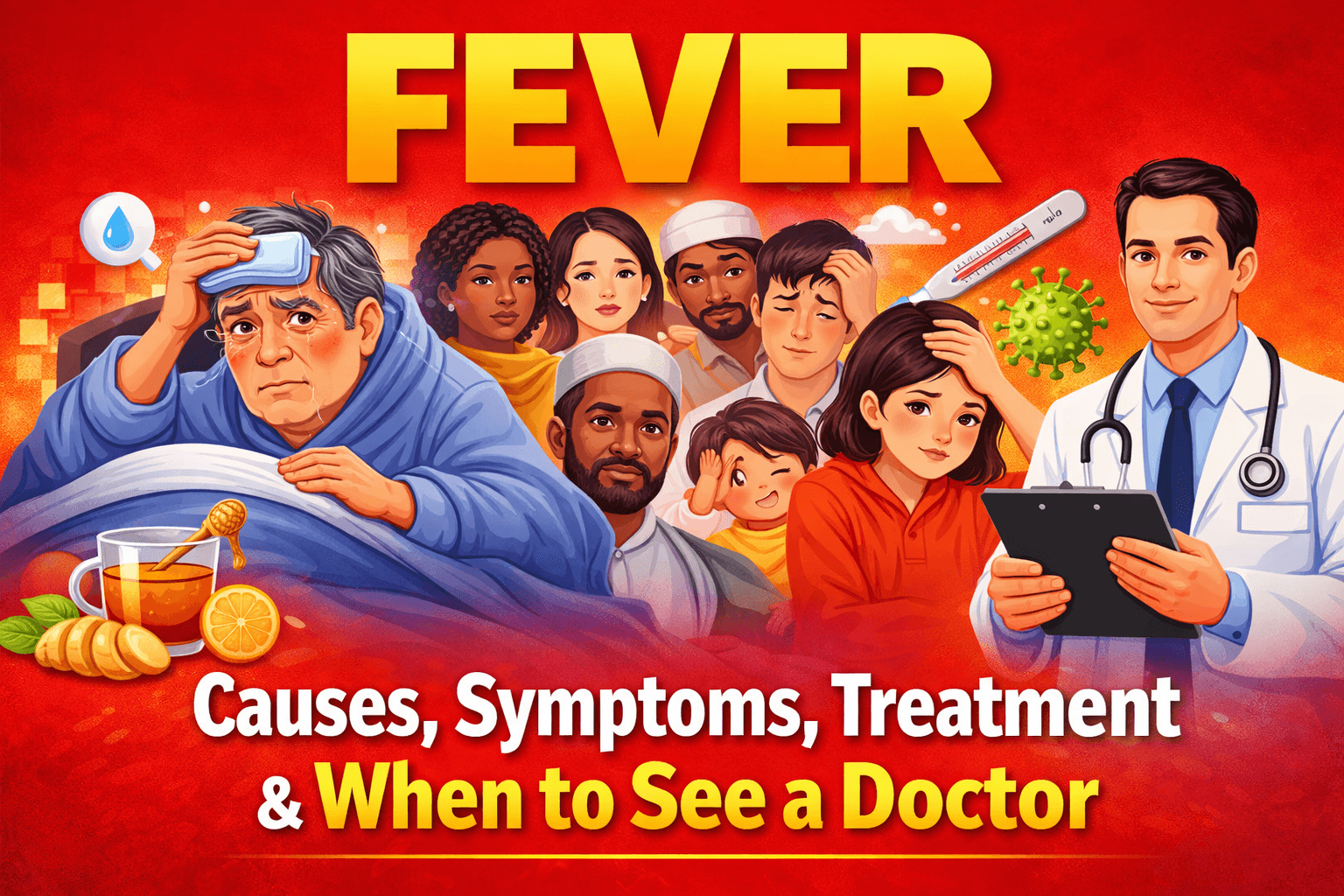
What is Fever?
Fever is not a disease in itself—it is a natural and protective response of the body that signals something unusual is happening internally. When your body temperature rises above the normal range of about 98.6°F (37°C), it is considered a fever. This increase in temperature is usually a sign that your immune system is actively fighting off an infection or illness.
The human body is designed to maintain a stable internal temperature. However, when harmful invaders such as viruses, bacteria, or other pathogens enter the body, the immune system reacts by releasing chemicals called pyrogens. These chemicals signal the brain—specifically the hypothalamus—to raise the body’s temperature. This higher temperature creates an environment that is less favorable for the survival and growth of these harmful microorganisms.
In simple terms, fever acts like a defense mechanism. It helps your body fight infections more effectively by slowing down the multiplication of pathogens and enhancing the activity of immune cells. This is why mild to moderate fever is often not harmful and, in many cases, can actually be beneficial.
Fever can occur due to a variety of reasons. The most common causes include viral infections like the flu or common cold, bacterial infections such as throat infections or urinary tract infections, and even conditions like inflammation or heat exhaustion. In some cases, fever can also be triggered by vaccinations, as the body builds immunity against certain diseases.
The symptoms of fever may vary from person to person. Common signs include a rise in body temperature, sweating, chills, headache, muscle aches, fatigue, and sometimes loss of appetite. In children, fever may also cause irritability or unusual sleepiness. While these symptoms can be uncomfortable, they are usually temporary and improve as the body recovers.
It is important to understand that not all fevers require immediate medical treatment. A low-grade fever often resolves on its own with rest, hydration, and proper care. However, if the fever becomes very high (above 102–103°F or 39°C), lasts for more than a few days, or is accompanied by severe symptoms such as difficulty breathing, persistent vomiting, confusion, or severe pain, medical attention should be sought promptly.
In conclusion, fever is the body’s way of signaling that it is actively defending itself against illness. Instead of fearing it, one should understand its purpose and monitor it carefully. Proper awareness and timely action can help ensure that fever remains a manageable and temporary condition rather than a serious concern.
Why Does Fever Occur?
Fever occurs as a natural response of the body when it detects an infection or any harmful disturbance inside. It is one of the most important defense mechanisms of the immune system, designed to protect the body and help it recover faster. Rather than being harmful in most cases, fever is actually a sign that your body is actively working to fight off illness.
The main reason fever occurs is due to the presence of infections. When viruses, bacteria, fungi, or parasites enter the body, the immune system recognizes them as foreign invaders. In response, it releases special chemicals known as pyrogens. These pyrogens travel to the brain and affect a region called the hypothalamus, which acts as the body’s temperature control center. The hypothalamus then raises the body’s temperature, resulting in fever.
This rise in temperature is not random—it serves a purpose. Higher body temperature makes it harder for many harmful microorganisms to survive and multiply. At the same time, it boosts the efficiency of white blood cells and other immune responses, allowing the body to fight infections more effectively. In this way, fever becomes a helpful tool rather than a problem.
There are several common causes that can trigger fever:
- Viral infections: Conditions like the common cold, flu, COVID-19, and dengue are some of the most frequent causes of fever. These infections usually lead to mild to moderate fever along with other symptoms like cough, body aches, or fatigue.
- Bacterial infections: Illnesses such as throat infections, pneumonia, urinary tract infections, or food poisoning can cause higher and more persistent fever compared to viral infections.
- Inflammation and immune reactions: Sometimes, fever occurs due to internal inflammation, autoimmune diseases, or even after vaccinations, as the body builds immunity.
- Heat-related causes: Exposure to extreme heat or dehydration can lead to heat exhaustion or heatstroke, which may also result in a rise in body temperature.
- Other medical conditions: In rare cases, chronic diseases or certain medications can also trigger fever.
It is also important to note that fever can vary in intensity depending on the cause. A mild fever may be manageable and short-lived, while a high or prolonged fever may indicate a more serious underlying issue that requires medical attention.
In children, fever is quite common and often occurs due to minor infections. However, parents should be cautious and monitor symptoms carefully, especially if the child is very young or the fever is unusually high. In adults, fever is usually easier to manage but should not be ignored if it persists.
In conclusion, fever occurs as part of the body’s natural defense system. It is a sign that your immune system is actively responding to a problem, most often an infection. Understanding why fever happens helps reduce unnecessary fear and allows you to take the right steps—whether that means simple home care or seeking medical advice when needed.
Common Symptoms of Fever
Fever is usually easy to recognize, but it often comes with a combination of symptoms that can vary from person to person. These symptoms are the body’s way of signaling that it is actively fighting an infection or dealing with an internal imbalance. Understanding these signs can help you identify fever early and take the right steps for care and treatment.
The most obvious symptom of fever is an increase in body temperature. While the normal body temperature is around 98.6°F (37°C), a reading above this level indicates fever. In some cases, people may not measure their temperature immediately but can still feel that their body is warmer than usual, especially on the forehead or neck.
Another common symptom is chills and shivering. Even though the body temperature is high, a person may feel cold and start shivering. This happens because the body is trying to raise its internal temperature to match the new set point controlled by the brain. As the fever rises, chills are often more noticeable.
Sweating is also a frequent sign, especially when the fever begins to break. After the body has reached a higher temperature and starts cooling down, it releases heat through sweating. This can sometimes make a person feel weak or dehydrated if fluids are not replaced.
People with fever often experience headaches and body aches. Muscle pain, joint discomfort, and a general feeling of heaviness in the body are common. This occurs because the immune system is actively working, and the body is under stress while fighting the infection.
Another important symptom is fatigue or weakness. A person with fever may feel extremely tired, low on energy, and less interested in daily activities. This is the body’s way of encouraging rest so that it can focus its energy on recovery.
Loss of appetite is also commonly observed. When you have a fever, you may not feel like eating much. This is normal, as the body prioritizes fighting the infection over digestion. However, it is still important to stay hydrated and consume light, nutritious foods when possible.
In some cases, fever may be accompanied by other symptoms depending on the cause. For example, a viral infection might include cough, sore throat, or runny nose, while a bacterial infection may cause more severe pain or swelling in specific areas.
In children, symptoms can sometimes be slightly different. They may become more irritable, cry more than usual, or appear unusually sleepy. In some cases, high fever in young children can even lead to febrile seizures, which require immediate medical attention.
It is important to monitor these symptoms carefully. While mild fever with common symptoms is usually not dangerous, severe symptoms such as confusion, difficulty breathing, persistent vomiting, or very high temperature should not be ignored.
In conclusion, fever is not just about a rise in temperature—it comes with a range of physical signals that reflect the body’s internal struggle against illness. Recognizing these symptoms early can help you manage fever effectively and seek medical care when necessary.
Common Causes of Fever
Fever is a symptom, not a disease itself. It usually indicates that something abnormal is happening inside the body. Understanding the common causes of fever is very important because it helps in identifying the underlying condition and choosing the right treatment. Fever can result from a wide range of factors, from simple infections to more serious health conditions.
The most common cause of fever is infection. When harmful microorganisms such as viruses, bacteria, fungi, or parasites enter the body, the immune system responds by increasing the body’s temperature to fight them off.
- Viral infections are among the leading causes of fever. Illnesses like the common cold, influenza (flu), COVID-19, dengue, and viral fever often lead to mild to moderate fever. These infections usually resolve on their own with proper rest and hydration, although some may require medical attention if symptoms worsen.
- Bacterial infections can also cause fever, and in many cases, the fever may be higher and more persistent. Conditions such as throat infections, pneumonia, urinary tract infections (UTIs), tuberculosis, and food poisoning are common examples. Bacterial infections often require antibiotics for proper treatment.
Another important cause is inflammation and immune system reactions. Sometimes, the body develops fever even without an infection. This can happen in autoimmune diseases, where the immune system mistakenly attacks healthy tissues. Conditions like rheumatoid arthritis or lupus may lead to recurring fever due to ongoing inflammation.
Fever can also occur due to vaccinations. After receiving certain vaccines, especially in children, the body may develop a mild fever as it builds immunity against the disease. This type of fever is usually temporary and not harmful.
Heat-related conditions are another cause. Exposure to high temperatures, dehydration, or prolonged time in the sun can lead to heat exhaustion or heatstroke, both of which can raise body temperature significantly. Unlike infection-related fever, heatstroke is a medical emergency and requires immediate attention.
Certain medications can also trigger fever as a side effect. This is known as drug-induced fever and may occur when the body reacts negatively to a specific medicine. In such cases, stopping or changing the medication under medical supervision is necessary.
In some cases, fever may be linked to chronic or serious medical conditions. Diseases such as cancer, hormonal disorders, or long-term infections can cause persistent or unexplained fever. This type of fever should never be ignored and requires thorough medical evaluation.
It is also important to understand that the duration and intensity of fever can give clues about its cause. A short-term mild fever is often due to viral infections, while a long-lasting or very high fever may indicate a more serious problem.
In conclusion, fever can have many causes, but most commonly it is the result of infections or immune responses. Identifying the exact cause is essential for proper treatment and recovery. While many fevers are harmless and resolve with basic care, persistent or severe fever should always be taken seriously and evaluated by a healthcare professional.
Home Remedies for Fever
Fever is a common condition that most people experience at some point in their lives. While mild to moderate fever often does not require immediate medical treatment, proper care at home can help reduce discomfort and support faster recovery. Home remedies are especially useful when the fever is not very high and is caused by common infections like cold or flu.
One of the most important remedies for fever is getting enough rest. When your body is fighting an infection, it needs extra energy to recover. Resting allows the immune system to work more effectively and helps reduce weakness and fatigue. Avoid heavy physical activities and give your body enough time to heal.
Another key factor is staying well hydrated. Fever can cause loss of fluids through sweating, which may lead to dehydration. Drinking plenty of water, coconut water, herbal teas, or clear soups helps maintain fluid balance in the body. Proper hydration also helps regulate body temperature and flush out toxins.
Taking a lukewarm sponge bath is a simple and effective way to bring down body temperature. Gently wiping the body with a cloth soaked in lukewarm water can provide relief from heat and discomfort. It is important to avoid using very cold water, as it may cause shivering and increase body temperature instead.
Light and nutritious food plays an important role during fever. Even if you don’t feel very hungry, try to eat easily digestible foods like khichdi, soups, fruits, or boiled vegetables. These foods provide essential nutrients that support the immune system without putting too much strain on digestion.
Many people also rely on natural remedies to ease fever symptoms. Herbal drinks made with ingredients like ginger, tulsi (holy basil), honey, and lemon can help soothe the body and provide relief. These remedies may not directly cure fever but can support the body’s natural healing process.
Wearing comfortable clothing is another simple but effective step. Loose, lightweight clothes help the body release heat more easily. Overdressing or covering with heavy blankets can trap heat and make the fever worse.
It is also important to monitor body temperature regularly. Keeping track of the fever helps you understand whether it is improving or getting worse. If the temperature continues to rise or does not come down after a couple of days, it may be a sign that medical attention is needed.
While home remedies are helpful, they have their limits. If the fever is very high (above 102–103°F or 39°C), lasts for more than 2–3 days, or is accompanied by serious symptoms like difficulty breathing, severe headache, persistent vomiting, or confusion, you should consult a doctor immediately.
In conclusion, home remedies for fever focus on supporting the body’s natural healing process. Proper rest, hydration, light diet, and simple care can make a big difference in recovery. However, it is equally important to recognize when professional medical help is necessary to avoid complications.
When Should You Take Medicine for Fever?
Fever is a natural response of the body, and in many cases, it does not require immediate medication. However, knowing when to take medicine is very important to avoid complications and ensure proper recovery. Not every fever needs treatment with drugs, especially if it is mild and manageable. The decision to take medicine depends on factors like temperature level, symptoms, age, and overall health condition.
In general, if the fever is mild (below 100–101°F or 38°C) and the person feels comfortable, medication may not be necessary. The body can often fight off minor infections on its own with rest, hydration, and proper care. In such cases, taking medicine unnecessarily can sometimes interfere with the natural immune response.
However, medicine should be considered when the fever starts causing significant discomfort. If you experience severe headache, body aches, weakness, or difficulty sleeping due to fever, taking a fever-reducing medicine like paracetamol (acetaminophen) can help provide relief. These medicines do not cure the underlying cause but help lower the temperature and improve comfort.
If the body temperature rises above 102°F (39°C), it is generally recommended to take medication to bring the fever down. High fever can put stress on the body and may lead to complications, especially in children and elderly individuals. In such situations, timely use of medicine is important.
For children, extra care is needed. If a child has a fever above 100.4°F (38°C), especially in infants, medication should be given only after consulting a doctor. Children are more sensitive to temperature changes, and high fever can sometimes lead to febrile seizures.
Medicine is also necessary if the fever persists for more than 2–3 days. A long-lasting fever may indicate a more serious infection that requires proper diagnosis and treatment. Simply relying on home remedies in such cases is not enough.
It is equally important to follow the correct dosage and timing of medication. Overuse or incorrect use of fever medicines can cause side effects and may harm the liver or other organs. Always read instructions carefully or follow a doctor’s advice.
In conclusion, fever medicine should be taken when the temperature is high, symptoms are uncomfortable, or the fever lasts longer than expected. The goal of medication is to provide relief and prevent complications, not to suppress every mild fever. Understanding when to take medicine helps you manage fever safely and effectively.
When to Consult a Doctor for Fever?
While fever is often a normal and temporary response of the body, there are certain situations where it should not be ignored. Knowing when to consult a doctor is very important, as it can help prevent complications and ensure timely treatment. Many people tend to rely only on home remedies or over-the-counter medicines, but in some cases, professional medical advice becomes essential.
One of the most important signs to see a doctor is when the fever is very high. If the body temperature rises above 102–103°F (39°C) and does not come down even after taking medication, it may indicate a serious infection or underlying condition. High fever can put stress on the body and should always be monitored carefully.
Another key factor is the duration of the fever. If the fever lasts for more than 2–3 days without improvement, it is advisable to consult a doctor. Persistent fever can be a sign of bacterial infections, dengue, typhoid, or other illnesses that require proper diagnosis and treatment.
You should also seek medical help if fever is accompanied by severe or unusual symptoms. These may include difficulty breathing, chest pain, severe headache, continuous vomiting, confusion, seizures, stiff neck, or extreme weakness. Such symptoms can indicate serious health conditions and require immediate attention.
Special care is needed for infants, young children, and elderly people. In babies under 3 months, even a slight fever can be serious and should be checked by a doctor immediately. In children, very high fever can sometimes lead to febrile seizures. Elderly individuals, on the other hand, may have weaker immunity and are more vulnerable to complications.
People with chronic diseases or weak immune systems should also be cautious. If someone has conditions like diabetes, heart disease, cancer, or is undergoing treatments that weaken immunity, even a mild fever should not be ignored. It could quickly turn into a serious issue if left untreated.
Fever after travel or exposure to infections is another situation where medical advice is important. For example, if someone has recently traveled to an area where diseases like malaria or dengue are common, a fever could be a warning sign that needs proper testing.
It is also important to pay attention if the fever keeps coming and going repeatedly or does not respond to common medicines. This pattern may indicate an underlying condition that needs further investigation.
In conclusion, while many fevers are harmless and go away with basic care, some require professional medical attention. High temperature, long duration, severe symptoms, or vulnerable individuals are clear signs that you should consult a doctor. Taking timely action not only helps in faster recovery but also prevents serious health risks.
Conclusion
Fever is not something to panic about—it is a natural signal from your body that something needs attention. As we have understood, fever itself is not a disease but a sign that your immune system is actively working to protect you from infections and other health issues. From its causes and symptoms to home remedies and proper treatment, every aspect of fever teaches us one important thing: listening to your body is essential.
In many cases, mild fever can be managed easily at home with proper rest, hydration, and simple care. Understanding why fever occurs and recognizing its common symptoms can help you take timely and effective action. Instead of immediately relying on medicines, it is important to first observe the condition and allow the body to recover naturally when possible.
At the same time, we should not ignore the seriousness of fever when certain warning signs appear. High temperature, long duration, severe symptoms, or special conditions like children, elderly individuals, or weak immunity demand extra care and medical attention. Knowing when to take medicine and when to consult a doctor can make a big difference in recovery and prevent complications.
The key is to maintain a balanced approach—neither ignoring fever nor overreacting to it. Awareness, proper care, and timely decisions are the most powerful tools when dealing with fever. By following the right steps and understanding your body’s signals, you can handle fever safely and confidently.
In conclusion, fever is your body’s way of communicating with you. If you understand it well and respond wisely, it becomes easier to manage and less frightening. Stay informed, take care of your health, and always prioritize timely action when needed.
➤ Click this link to discover powerful remedies for common body diseases and valuable tips to protect and maintain your overall health.
https://onlinehelpful.com/category/complete-body-health/
Frequently Asked Questions
Q1. What is fever and why does it happen?
A: Fever is a temporary increase in body temperature caused by infections. It helps the immune system fight harmful viruses and bacteria.
Q2. What are the most common symptoms of fever?
A: Common symptoms include high temperature, chills, sweating, headache, body pain, weakness, and loss of appetite.
Q3. What causes fever the most?
A: Fever is mainly caused by viral and bacterial infections, but it can also occur due to inflammation, heat exposure, or certain medical conditions.
Q4. Can fever be treated at home without medicine?
A: Yes, mild fever can be managed at home with rest, hydration, light diet, and simple remedies like lukewarm sponging.
Q5. When should I take medicine for fever?
A: Medicine should be taken when fever is high, causing discomfort, or not improving with home care.
Q6. When is it necessary to see a doctor for fever?
A: You should consult a doctor if the fever is very high, lasts more than 2–3 days, or comes with serious symptoms like breathing issues or confusion.