
Introduction
The Importance of Teeth and Oral Health,
Teeth are a very important part of our body. They help us chew food, speak clearly, and give us a beautiful smile. Healthy teeth make it easier for us to eat many types of foods such as fruits, vegetables, and nuts. When our teeth are strong and clean, the digestion process also becomes better because food is properly chewed before it reaches the stomach.
Oral health means keeping the mouth, teeth, and gums clean and healthy. Many people do not pay much attention to oral hygiene. They often think that brushing once a day is enough. However, proper dental care requires regular habits and awareness. If teeth are not cleaned properly, bacteria start growing inside the mouth. These bacteria can cause many dental problems.
Some common problems caused by poor oral hygiene include:
- Tooth decay (cavities)
- Bad breath (halitosis)
- Gum infections
- Tooth sensitivity
- Risk of oral cancer in severe cases
Because of these problems, dentists always recommend maintaining good oral hygiene from an early age.
The mouth is often called the “gateway to the body.” This means that the health of the mouth can affect the health of the entire body. When harmful bacteria grow in the mouth, they may enter the bloodstream through infected gums. This can increase the risk of other health issues.
Research has shown that poor oral health may be connected to:
- Heart disease
- Respiratory infections
- Complications in diabetes
- Weak immune system
This clearly shows that taking care of teeth is not only about having a nice smile. It is also important for protecting overall health.
Teeth also play a very important role in the digestion process. Digestion actually begins in the mouth. When we chew food, our teeth break the food into smaller pieces. This helps the stomach digest the food more easily.
If a person has damaged, weak, or painful teeth, they may face several difficulties such as:
- Difficulty chewing food
- Avoiding healthy foods like fruits and vegetables
- Poor digestion
- Nutritional problems
Another important part of oral health is the gums. Gums hold the teeth firmly in place and protect the roots of the teeth. If gums are not healthy, they may become red, swollen, or start bleeding during brushing.
Common gum problems include:
- Gingivitis (early gum disease)
- Swollen or bleeding gums
- Bad breath caused by infection
- Loose teeth in severe cases
If gum disease is not treated on time, it may even lead to tooth loss. This is why proper dental care should always include both teeth and gums.
Oral health also affects a person’s confidence and personality. A clean and bright smile makes a person feel more confident while talking, smiling, or meeting others. On the other hand, dental problems like yellow teeth, missing teeth, or bad breath can make people feel embarrassed in social situations.
To maintain good oral health, some simple daily habits can make a big difference:
- Brush your teeth twice a day
- Use dental floss to clean between teeth
- Rinse your mouth after meals
- Avoid excessive sugary foods and drinks
- Visit a dentist regularly for check-ups
In simple words, healthy teeth and good oral hygiene are very important for a healthy life. When we take care of our mouth, we protect not only our teeth but also our overall health. Therefore, everyone should understand the importance of dental care and make oral hygiene a regular part of their daily routine. 🦷✨
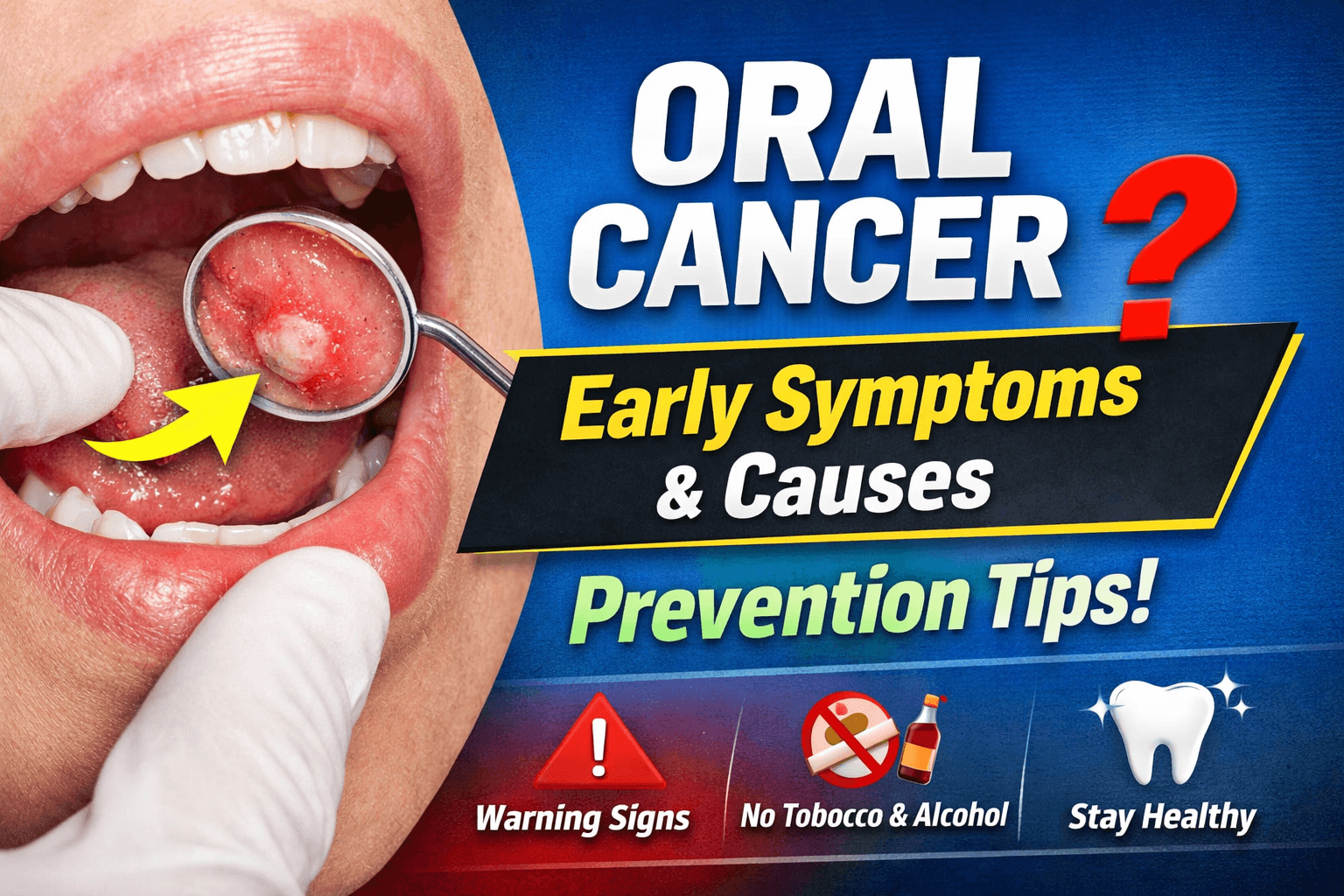
What Is Tooth Cancer? (Understanding Oral Cancer)
Tooth cancer is commonly related to oral cancer, which means cancer that develops in the mouth. It can affect different parts of the mouth such as the gums, tongue, lips, inner cheeks, roof of the mouth, or the area around the teeth. Many people think cancer only happens in other organs of the body, but it can also develop inside the mouth if proper care is not taken.
Oral cancer usually begins when cells in the mouth start growing in an abnormal and uncontrolled way. These abnormal cells may form sores, lumps, or patches in the mouth that do not heal over time. If the condition is not diagnosed early, it can spread to other parts of the body and become life-threatening.
One important thing to understand is that oral cancer often develops slowly over time. In the early stages, it may not cause severe pain, which is why many people ignore the warning signs. Because of this, regular dental check-ups and awareness are very important.
Common Causes of Tooth or Oral Cancer
There are several factors that can increase the risk of developing oral cancer. Some of the most common causes include:
- Tobacco use – Smoking cigarettes, bidis, or chewing tobacco is one of the biggest causes of oral cancer.
- Gutka and pan masala – These products contain harmful chemicals that damage the tissues inside the mouth.
- Excessive alcohol consumption – Drinking alcohol frequently increases the risk of oral cancer.
- Poor oral hygiene – Not brushing or cleaning the mouth properly allows harmful bacteria to grow.
- Long-term irritation in the mouth – Sharp teeth, broken teeth, or poorly fitted dentures may irritate mouth tissues.
- Weak immune system – People with weak immunity may have a higher risk of infections and diseases.
- Human Papillomavirus (HPV) infection – Certain viral infections are also linked to oral cancer.
Among these causes, tobacco and gutka consumption are considered the most dangerous risk factors.
Who Is at Higher Risk?
Certain groups of people may have a higher chance of developing oral cancer. These include:
- People who smoke or chew tobacco regularly
- Individuals who consume alcohol frequently
- People who do not maintain proper oral hygiene
- Individuals above 40 years of age
- People with long-term mouth infections or irritation
However, it is important to remember that oral cancer can develop in anyone if proper oral care is not maintained.
Why Early Awareness Is Important
Early awareness of oral cancer can save lives. When detected in the early stages, treatment becomes easier and more effective. Many dental experts recommend that people should pay attention to any unusual changes inside the mouth.
Some early warning signs that should never be ignored include:
- A mouth sore that does not heal for more than two weeks
- White or red patches inside the mouth
- Unusual lumps or thick areas in the mouth
- Difficulty chewing or swallowing
- Persistent pain in the mouth or tongue
If any of these symptoms appear, it is very important to consult a dentist or doctor immediately.
The Importance of Awareness
Oral cancer is a serious disease, but the good news is that it is largely preventable. By avoiding tobacco products, maintaining good oral hygiene, eating a healthy diet, and visiting the dentist regularly, the risk can be greatly reduced.
In simple words, understanding what oral cancer is and knowing its causes can help people take the right steps to protect their oral health and overall well-being.
Symptoms of Tooth Cancer (Oral Cancer)
Oral cancer usually develops slowly, and in the early stages many people may not notice serious pain or discomfort. Because of this, the disease can sometimes go unnoticed for a long time. However, the body often gives certain warning signs that should never be ignored. Recognizing these symptoms early can help in early diagnosis and successful treatment.
Many symptoms of oral cancer appear inside the mouth, on the tongue, gums, lips, or inner cheeks. If any unusual change remains for a long period, it is important to consult a dentist or doctor.
Common Symptoms of Oral Cancer
Below are some of the most common symptoms that may indicate oral cancer:
- A mouth sore that does not heal for more than two weeks
- Red or white patches inside the mouth
- A lump or thickening in the cheek, tongue, or gums
- Persistent pain in the mouth or throat
- Difficulty chewing or swallowing food
- Loose teeth without a clear reason
- Bleeding inside the mouth without injury
- Numbness in the tongue or other areas of the mouth
These symptoms may start small, but if they continue for a long time, they should not be ignored.
Visible Changes in the Mouth
Oral cancer often causes visible changes inside the mouth. These changes can sometimes be noticed while brushing or looking in the mirror.
Some visible signs include:
- Unusual swelling in the mouth
- A thick patch inside the mouth
- A rough area on the tongue or gums
- Difficulty moving the tongue or jaw
- A sore that bleeds easily
If any of these signs remain for several days or weeks, it is important to get a dental check-up.
Changes While Eating or Speaking
Oral cancer can also affect daily activities such as eating and speaking. As the disease progresses, people may experience problems with normal mouth functions.
Some common problems include:
- Pain while chewing food
- Difficulty swallowing
- Trouble speaking clearly
- Feeling that something is stuck in the throat
These symptoms may gradually become worse if the condition is not treated.
Symptoms That Should Never Be Ignored
Some warning signs are especially important and require immediate medical attention. These include:
- A lump in the neck or jaw
- Continuous mouth pain that does not go away
- Sudden weight loss without a clear reason
- Difficulty opening the mouth fully
Ignoring these symptoms can delay treatment and make the disease more serious.
Importance of Early Detection
Early detection plays a very important role in treating oral cancer. When the disease is found early, treatment becomes much easier and the chances of recovery increase greatly.
Dentists often recommend that people should:
- Check their mouth regularly for unusual changes
- Visit a dentist every 6 months for a check-up
- Avoid tobacco products and harmful habits
In simple words, understanding the symptoms of oral cancer helps people take action at the right time. Paying attention to the health of the mouth and seeking medical advice when needed can help prevent serious complications and protect overall health.
How to Prevent Tooth Cancer (Oral Cancer)
Preventing tooth or oral cancer is possible if we follow healthy habits and maintain proper oral hygiene. Many cases of oral cancer develop because of harmful lifestyle choices such as tobacco use, poor dental care, and unhealthy eating habits. By making a few simple changes in daily life, the risk of developing oral cancer can be greatly reduced.
The most important step in prevention is awareness and early care. When people understand the causes and take precautions, they can protect their oral health and overall well-being.
Avoid Tobacco and Harmful Products
One of the biggest causes of oral cancer is the use of tobacco products. Smoking cigarettes, bidis, or chewing tobacco damages the tissues inside the mouth. Products such as gutka, pan masala, and khaini contain harmful chemicals that can slowly destroy oral tissues and increase the risk of cancer.
To reduce the risk of oral cancer:
- Avoid smoking and chewing tobacco
- Stay away from gutka and pan masala
- Limit or avoid alcohol consumption
Quitting these habits can significantly lower the chances of developing oral cancer.
Maintain Good Oral Hygiene
Proper oral hygiene plays a major role in preventing dental problems and oral cancer. When the mouth is kept clean, harmful bacteria cannot grow easily.
Healthy oral hygiene habits include:
- Brushing teeth twice a day
- Using dental floss to clean between teeth
- Rinsing the mouth after meals
- Using a good quality fluoride toothpaste
These habits help remove plaque and bacteria that can damage teeth and gums.
Visit the Dentist Regularly
Regular dental check-ups are very important for detecting problems early. Dentists can examine the mouth and identify unusual signs before they become serious.
Experts recommend:
- Visiting a dentist every 6 months
- Getting professional cleaning when needed
- Checking for unusual patches or sores in the mouth
Early detection greatly increases the chances of successful treatment.
Follow a Healthy Diet
A balanced and nutritious diet helps keep the body strong and supports oral health. Certain vitamins and minerals help protect the tissues of the mouth and strengthen the immune system.
Healthy foods for oral health include:
- Fresh fruits and vegetables
- Foods rich in vitamin C
- Calcium-rich foods such as milk and dairy products
- Foods high in antioxidants
At the same time, it is important to reduce the intake of excess sugar, processed foods, and soft drinks, as they can damage teeth.
Protect the Lips and Mouth
Long exposure to sunlight can also increase the risk of lip cancer. Protecting the lips from harmful UV rays is important, especially for people who work outdoors.
Simple protective steps include:
- Using lip balm with sun protection
- Avoiding long exposure to strong sunlight
- Keeping the mouth hydrated by drinking enough water
Be Aware of Unusual Changes
People should always pay attention to any unusual changes in the mouth. Early warning signs should never be ignored.
Important signs to watch for include:
- A sore that does not heal for more than two weeks
- Red or white patches inside the mouth
- A lump in the mouth or neck
- Pain or difficulty while chewing
If any of these symptoms appear, it is important to consult a dentist or doctor immediately.
Daily Care and Cleaning of Teeth
Taking care of teeth every day is very important for maintaining good oral health. Proper dental care helps keep teeth strong, gums healthy, and prevents many dental problems such as cavities, gum disease, bad breath, and infections. Good oral hygiene is not difficult, but it requires daily habits and consistency.
Many dental problems begin when people ignore basic oral care. Food particles and bacteria can build up in the mouth if teeth are not cleaned properly. Over time, this buildup forms plaque, which can damage the teeth and gums. Therefore, maintaining daily dental hygiene is essential for preventing serious dental diseases.
Brush Your Teeth Twice a Day
Brushing is the most important step in daily dental care. Dentists recommend brushing teeth at least two times a day — once in the morning and once before going to bed.
Important tips for proper brushing include:
- Use a soft-bristled toothbrush to avoid damaging the gums.
- Brush for at least 2–3 minutes to clean all areas of the mouth.
- Clean all sides of the teeth, including the front, back, and chewing surfaces.
- Replace your toothbrush every 3 months or when the bristles become worn.
Brushing regularly removes plaque and bacteria that can lead to cavities and gum infections.
Use Dental Floss
While brushing cleans the surface of the teeth, it may not remove food particles stuck between the teeth. Dental floss helps clean these tight spaces and prevents plaque buildup.
Benefits of dental floss include:
- Removes food particles between teeth
- Prevents gum infections
- Reduces bad breath
- Keeps gums healthy
Using dental floss once a day can significantly improve oral hygiene.
Rinse Your Mouth After Eating
After eating food, small particles often remain inside the mouth. If these particles stay for a long time, bacteria can start growing and cause dental problems.
Simple habits such as:
- Rinsing the mouth with water after meals
- Using an antiseptic mouthwash when needed
can help keep the mouth clean and reduce bacteria.
Limit Sugary Foods and Drinks
Sugary foods and drinks are one of the main causes of tooth decay. When sugar stays on the teeth, bacteria convert it into acids that damage the tooth enamel.
To protect teeth:
- Reduce the intake of sweets and candies
- Avoid excessive soft drinks and sugary beverages
- Brush or rinse your mouth after consuming sugary foods
Making healthy dietary choices helps keep teeth strong and prevents cavities.
Use Natural Cleaning Habits
Some natural habits can also help maintain healthy teeth. Certain foods naturally clean the teeth and stimulate saliva production, which protects the mouth from bacteria.
Examples include:
- Eating crunchy fruits like apples
- Eating vegetables such as carrots and cucumbers
- Drinking plenty of water throughout the day
These habits help maintain a clean and healthy mouth.
Visit a Dentist for Regular Cleaning
Even with good daily care, some plaque and tartar may still build up over time. Professional dental cleaning by a dentist helps remove these deposits and keeps the teeth in good condition.
Dentists usually recommend:
- Dental check-ups every 6 months
- Professional cleaning if plaque buildup occurs
- Early treatment of cavities or gum problems
Regular dental visits help prevent small dental issues from becoming serious problems.
Treatments and Medicines for Dental Problems
Even with proper care, sometimes dental problems can still occur. Issues like tooth decay, gum infections, tooth pain, and sensitivity are quite common. In such situations, proper treatment and medicines are needed to protect the teeth and prevent the problem from becoming more serious. However, it is always important to remember that dental medicines should be used only with the advice of a dentist or doctor.
Modern dentistry provides many treatments that can help keep teeth healthy and strong. Early treatment is always better because it prevents the problem from spreading to other teeth or gums.
Fluoride Toothpaste for Strong Teeth
One of the most commonly recommended products for dental care is fluoride toothpaste. Fluoride helps strengthen the tooth enamel and protects teeth from cavities.
Benefits of fluoride toothpaste include:
- Strengthens tooth enamel
- Prevents tooth decay
- Protects teeth from acid damage
- Keeps teeth strong and healthy
Dentists usually recommend using fluoride toothpaste when brushing twice a day.
Mouthwash to Reduce Bacteria
Mouthwash is another helpful product for maintaining oral hygiene. It helps kill bacteria that remain in the mouth even after brushing.
Benefits of using mouthwash include:
- Reduces harmful bacteria in the mouth
- Helps prevent gum infections
- Freshens breath
- Provides extra protection for teeth and gums
However, mouthwash should be used as a supplement to brushing and flossing, not as a replacement.
Medicines for Tooth Pain
Tooth pain can occur because of cavities, infections, or gum problems. In such cases, dentists may recommend certain pain-relief medicines or gels.
Common treatments for tooth pain may include:
- Pain relief tablets prescribed by a dentist
- Antibacterial gels for infected gums
- Medicated mouth rinses
These medicines help reduce pain and control infection until proper dental treatment is completed.
Dental Treatments for Serious Problems
When dental problems become more serious, professional dental procedures may be required. Dentists use different treatments depending on the condition of the teeth.
Some common dental treatments include:
- Dental Filling – used to repair cavities caused by tooth decay.
- Root Canal Treatment – used when the inner part of the tooth becomes infected.
- Tooth Extraction – removal of a severely damaged tooth when it cannot be saved.
- Dental Cleaning (Scaling) – removal of plaque and tartar from teeth and gums.
These treatments help stop the spread of infection and protect overall oral health.
Importance of Professional Dental Care
Self-medication for dental problems can sometimes make the condition worse. Many people try home remedies or over-the-counter medicines without consulting a dentist. While some remedies may give temporary relief, they may not solve the actual problem.
Therefore, experts always recommend:
- Consulting a dentist if tooth pain lasts more than 1–2 days
- Avoiding unnecessary medicines without medical advice
- Getting dental problems treated early
Conclusion
…..Why Taking Care of Your Teeth Is Essential….
Healthy teeth are not only important for a beautiful smile, but they are also essential for maintaining overall health and well-being. Many people often ignore dental care until they start experiencing pain or serious dental problems. However, the truth is that most dental issues can be prevented simply by maintaining proper oral hygiene and following healthy habits in daily life.
Our teeth play several important roles in everyday life. They help us chew food properly, which is the first step of the digestion process. When food is chewed well, it becomes easier for the stomach to digest it. If teeth are weak, damaged, or painful, people may find it difficult to eat certain foods. As a result, they may avoid nutritious foods such as fruits, vegetables, and nuts, which can negatively affect their health.
Good oral health is also closely connected to the health of the entire body. The mouth is often called the gateway to the body because harmful bacteria can enter the bloodstream through infected gums or untreated dental problems. Poor oral hygiene has been linked to several serious health conditions such as heart disease, infections, and complications related to diabetes. This clearly shows that taking care of teeth is not just about appearance—it is also about protecting overall health.
Another important aspect of dental care is the prevention of serious diseases like oral cancer. Many cases of oral cancer are linked to harmful habits such as tobacco use, gutka, pan masala, and excessive alcohol consumption. These substances slowly damage the tissues of the mouth and increase the risk of cancer over time. Avoiding these harmful products is one of the most important steps a person can take to protect their oral health.
Regular dental care and awareness can help detect problems at an early stage. Many symptoms of oral diseases, including oral cancer, start with small warning signs such as mouth sores, red or white patches, lumps, or persistent pain. When these signs are noticed early and treated by a dentist, serious complications can often be prevented.
Maintaining healthy teeth is not difficult, but it requires consistent habits. Some simple daily practices can make a big difference in oral health. These include brushing teeth twice a day, using dental floss to clean between teeth, rinsing the mouth after meals, and using a good quality fluoride toothpaste. Regular dental check-ups every six months also help identify dental problems before they become severe.
A healthy lifestyle also plays an important role in dental health. Eating a balanced diet rich in vitamins and minerals helps strengthen teeth and gums. Fresh fruits, vegetables, dairy products, and foods rich in calcium and vitamin C support strong teeth and healthy oral tissues. At the same time, limiting sugary foods, soft drinks, and processed snacks can help prevent tooth decay.
In addition to physical health, good oral hygiene also improves a person’s confidence and social life. A clean and bright smile makes a person feel more confident while speaking, meeting others, or expressing themselves. On the other hand, dental problems such as bad breath, yellow teeth, or missing teeth can make people feel uncomfortable or embarrassed.
In simple words, taking care of teeth is an important part of living a healthy life. By maintaining proper oral hygiene, avoiding harmful habits, eating a nutritious diet, and visiting the dentist regularly, people can keep their teeth strong and prevent many dental diseases. A small effort in daily dental care can protect not only your smile but also your overall health for many years to come. 🦷✨
➤ Click this link to discover powerful remedies for common body diseases and valuable tips to protect and maintain your overall health.
https://onlinehelpful.com/category/complete-body-health/
Frequently Asked Questions
Q1. What are the early symptoms of oral cancer?
A: Early symptoms of oral cancer may include mouth sores that do not heal, red or white patches inside the mouth, lumps in the mouth or throat, persistent pain, and difficulty chewing or swallowing. If these symptoms last more than two weeks, it is important to consult a dentist.
Q2. What are the main causes of oral cancer?
A: The most common causes of oral cancer include tobacco use, smoking, gutka or pan masala consumption, excessive alcohol intake, poor oral hygiene, and certain viral infections such as HPV. These factors can damage the tissues of the mouth over time.
Q3. Can oral cancer be prevented?
A: Yes, oral cancer can often be prevented by avoiding tobacco products, limiting alcohol consumption, maintaining good oral hygiene, eating a healthy diet, and visiting the dentist regularly for check-ups.
Q4. How can I keep my teeth and mouth healthy?
You can maintain healthy teeth and mouth by brushing twice a day with fluoride toothpaste, using dental floss, rinsing your mouth after meals, limiting sugary foods, and visiting a dentist every six months.
Q5. Is oral cancer curable if detected early?
A: Yes, oral cancer has a higher chance of successful treatment if it is detected in the early stages. Early diagnosis allows doctors to treat the disease before it spreads to other parts of the body.
Q6. When should I see a dentist for oral health problems?
A: You should visit a dentist if you experience persistent mouth pain, sores that do not heal, unusual patches inside the mouth, bleeding gums, or difficulty chewing and swallowing. Regular dental check-ups every six months are also recommended.