
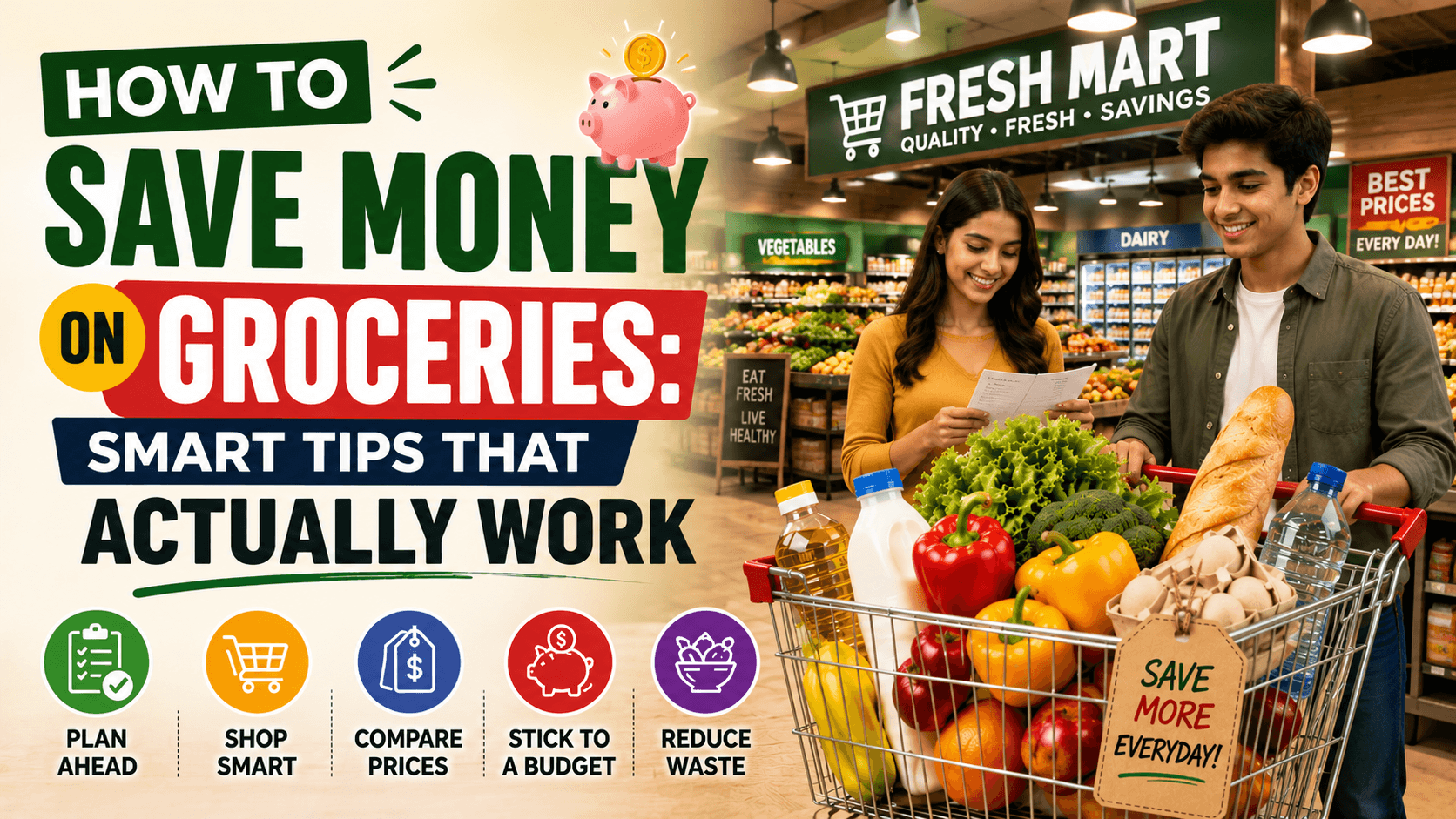
10 Proven Strategies to Lower Your Grocery Bills and Save More Every Month
Food prices are climbing, but your grocery budget doesn’t have to suffer. With a few thoughtful changes to your shopping routine, you can significantly reduce what you spend at the checkout counter. These ten practical methods will help you keep more money in your pocket without forcing you to buy lower-quality items.
1. Map Out Your Weekly Meals First
Before you even think about stepping into a store, sit down and decide what your family will eat for the next seven days. Once the meals are fixed, write down only the ingredients required for those dishes. This approach stops you from picking up random items and dramatically cuts down on spoiled food that gets thrown away.
2. Stick to a Written Shopping List
A list made at home is your best weapon against overspending. Research shows that people who shop without a list end up purchasing 20 to 30 percent more than they planned. Keep your list handy and make a promise to yourself not to stray from it, no matter how tempting the store displays look.
3. Buy Large Quantities of Long-Lasting Goods
For items that do not spoil quickly, such as rice, lentils, cooking oils, and spices, purchasing bigger packages usually gives you a lower price per kilogram. Wholesale stores or the bulk sections of regular supermarkets are great places for this. However, be careful only to buy amounts you can realistically finish before the expiration date arrives.
4. Search for Better Prices and Special Offers
Never assume that the first price tag you see is the best one available. Take a few extra minutes to compare costs between different brands and neighboring stores. Keep an eye out for weekly sales, clearance racks, and promotional coupons. There are also several mobile applications that give you cash back on certain purchases.
5. Give Store Brands a Fair Chance
Big-name brands spend enormous amounts on advertising, and those costs get added to the product price. Store brands, also called generic or house brands, skip most of that expense. In many cases, the taste and quality are nearly identical to the famous labels, while the price is noticeably lower.
6. Never Enter a Supermarket When You Are Hungry
Shopping on an empty stomach is a recipe for disaster. Hunger makes even the least appealing snack look delicious, leading you to fill your cart with chips, cookies, and frozen treats you never intended to buy. Always eat a small meal or a healthy snack before you leave home.
7. Reduce Your Reliance on Ready-Made Foods
Pre-packaged meals, frozen dinners, and heavily processed snacks cost much more per serving than homemade alternatives. Cooking from raw ingredients not only saves money but also allows you to control salt, sugar, and oil levels. Spend a few extra minutes in the kitchen instead of reaching for a box.
8. Choose Fruits and Vegetables That Are in Season
When a crop is in season, farmers have plenty of it, and prices drop naturally. Out-of-season produce has to be imported or grown in special conditions, which raises the cost. Learn what grows in your area during different months and build your meals around those items. Local farmers’ markets often offer excellent deals.
9. Keep a Monthly Record of Your Grocery Spending
You cannot fix a problem until you understand it. Write down every rupee or dollar you spend on food for an entire month. At the end of four weeks, review your notes. You will likely spot patterns, such as buying too many drinks or spending extra on luxury items. Those are the areas to target for reduction.
10. Learn Proper Food Storage Techniques
Many people throw away food simply because it went bad before they could use it. Storing vegetables, fruits, and leftovers correctly can double their lifespan. For example, keep potatoes and onions in a cool, dark place but never together. Use airtight containers for dry goods. Label leftovers with dates so you eat them in time.
Reduce Household Expenses: The Most Effective Tips to Save Money on Groceries
Managing household expenses can be challenging, especially when grocery prices keep rising. However, with the right strategies, you can significantly reduce your grocery bill without sacrificing quality or nutrition. By adopting smart shopping habits and making informed decisions, you can take control of your spending and improve your financial health.
1. Set a Monthly Grocery Budget
The first step to reducing expenses is setting a clear budget. Decide how much you can afford to spend on groceries each month and stick to it. Having a fixed budget helps you prioritize essential items and avoid unnecessary purchases. It also gives you a clear idea of where your money is going.
2. Plan Your Shopping Around Sales
One of the smartest ways to save money is to plan your grocery shopping around discounts and offers. Many stores have weekly sales on specific items. Check flyers, apps, or websites to find the best deals. Buying products when they are on sale can help you save a significant amount over time.
3. Cook More Meals at Home
Eating out or ordering food frequently can quickly increase your expenses. Cooking meals at home is much more cost-effective and healthier. By preparing your own food, you have full control over ingredients and portion sizes, which reduces waste and saves money.
4. Avoid Brand Loyalty
Many people stick to specific brands without considering cheaper alternatives. In reality, generic or store brands often offer the same quality at a lower price. Try different options and choose the ones that provide the best value for money.
5. Buy Only What You Need
Overbuying is a common reason for high grocery bills. Avoid stocking up on items that you don’t immediately need, especially perishable goods. Stick to your shopping list and resist the temptation to buy extra items just because they are on sale.
6. Use Cashback and Reward Programs
Take advantage of cashback offers, reward points, and loyalty programs. Many grocery stores and payment apps provide benefits that can reduce your overall spending. Over time, these small savings can add up to a big amount.
7. Reduce Food Waste
A large portion of grocery expenses is wasted due to spoiled or unused food. Store items properly and use leftovers creatively. For example, leftover vegetables can be used in soups or stir-fries. Reducing waste means you get the most out of every rupee spent.
8. Shop Less Frequently
Frequent trips to the store often lead to impulse buying. Try to limit your grocery shopping to once a week or even once every two weeks. Fewer visits mean fewer chances to spend unnecessarily.
9. Compare Online and Offline Prices
Sometimes online grocery platforms offer better deals, while local stores may have fresher and cheaper produce. Compare prices before making a purchase to ensure you are getting the best value.
10. Keep Track of Your Savings
Finally, monitor how much you are saving each month by following these tips. This not only motivates you but also helps you improve your spending habits over time.
Smart Shopping Guide: How to Get More Groceries for Less Money
Grocery shopping is a necessary part of daily life, but it doesn’t have to drain your wallet. With a smart approach and a few practical strategies, you can maximize the value of every rupee you spend. The goal is not just to spend less, but to get more quality and quantity for the same budget.
1. Start with a Smart Plan
The key to effective grocery shopping begins before you even enter the store. Planning your meals for the week helps you identify exactly what you need. This prevents unnecessary purchases and ensures that every item you buy has a purpose. A well-thought-out plan reduces waste and keeps your spending under control.
2. Make a Priority-Based Shopping List
Instead of writing a random list, organize your grocery list based on priority. Divide items into categories like essentials, important, and optional. Focus on buying essentials first such as grains, vegetables, and dairy products. If your budget allows, then move to optional items. This method ensures that you never overspend on non-essentials.
3. Understand Price Per Unit
One of the smartest ways to save money is by checking the price per unit. Sometimes larger packages seem expensive but are actually cheaper in the long run. Compare prices based on weight or quantity rather than just the total price. This simple habit can help you make better decisions and stretch your budget further.
4. Take Advantage of Seasonal Buying
Seasonal fruits and vegetables are usually more affordable and fresher. Buying produce in season not only reduces cost but also improves the quality of your meals. Avoid out-of-season items that are often overpriced due to transportation and storage costs.
5. Shop at the Right Time
Timing plays an important role in saving money. Many stores offer discounts during specific days of the week or at the end of the day for fresh items like bread and vegetables. Early morning or late evening shopping can sometimes help you find better deals and fresher stock.
6. Avoid Impulse Buying Tricks
Supermarkets are designed to encourage you to spend more. Attractive displays, discounts, and “buy one get one” offers can tempt you into buying things you don’t need. Stay focused on your list and avoid wandering into unnecessary aisles. Ask yourself if the item is truly needed before adding it to your cart.
7. Use Technology to Your Advantage
There are many mobile apps and websites that help you compare grocery prices, find discounts, and track your spending. Digital tools can make your shopping smarter and more efficient. Using these platforms can help you identify the best deals available in your area.
8. Mix Local Markets and Supermarkets
Don’t rely on just one type of store. Local markets often offer fresh fruits and vegetables at lower prices, while supermarkets may have better deals on packaged goods. Combining both options can give you the best value for your money.
9. Control Portion and Quantity
Buying too much of anything can lead to waste, especially perishable items. Be realistic about your consumption and purchase quantities accordingly. This helps you avoid throwing away unused food and ensures that your money is well spent.
10. Learn Basic Negotiation and Awareness
In local markets, bargaining can help you save extra money. Even a small discount can make a difference over time. Being aware of market prices also helps you avoid overpaying for everyday items.
Cut Your Daily Spending: Smart & Tested Ways to Save on Groceries
If you want to take control of your finances, look closely at where your money goes every day. Grocery shopping is one of those regular expenses that quietly eats up a large part of your income. The good news is that you don’t need to make drastic changes. Small, thoughtful adjustments in how you buy food can free up a surprising amount of cash over weeks and months. Let’s explore ten fresh and effective methods to lower your grocery bills without feeling like you are missing out.
1. Set a Fixed Shopping Schedule
Do you go to the supermarket whenever you feel like it or whenever you run out of one small item? That habit costs you money. When you visit the store often without a plan, you are much more likely to grab extra things you never intended to buy. Instead, choose specific days for grocery runs. For example, decide that you will shop every Saturday or every alternate Wednesday. Stick to this rhythm. Buying everything you need in a single weekly trip keeps your spending predictable and under control.
2. Pay with Physical Cash Only
Plastic cards and phone payments make spending feel invisible. Handing over real banknotes, however, feels different. When you see the money leaving your wallet, your brain registers the loss more clearly. Before leaving home, withdraw a fixed amount of cash for your groceries. Leave your cards at home. Once the cash runs out, you cannot spend more. This simple trick forces you to prioritize and think before every purchase.
3. Steer Clear of Pre-Cut and Pre-Packaged Foods
Supermarkets charge a heavy price for convenience. Those neat trays of diced onions, sliced carrots, or chopped garlic cost much more than the whole vegetables sitting nearby. The same goes for ready-to-heat meals and pre-washed salad bags. Buy the raw, unprocessed versions instead. Spending an extra ten minutes chopping and washing at home can save you a significant percentage on your total bill. Plus, whole foods stay fresh longer.
4. Turn Leftovers into Entirely New Dishes
Throwing away leftover food is like throwing away money. But you do not have to eat the same thing two days in a row to avoid waste. Use your imagination. Leftover rice can become fried rice or rice pudding. Extra boiled vegetables can go into a soup or a sandwich filling. Last night’s dal can be transformed into a thick spread for toast or a base for another curry. This approach cuts down your need to buy new ingredients and makes your meals more interesting.
5. Choose Inexpensive but Healthy Staples
Some people believe that eating well requires expensive “superfoods” or imported items. That is simply not true. Many affordable foods are packed with nutrition. Think of local lentils, eggs, potatoes, cabbage, carrots, and seasonal greens. Whole grains like brown rice or millet are often cheaper than processed breakfast cereals. Build your weekly menu around these budget-friendly powerhouses. Your body will stay healthy, and your wallet will stay full.
6. Cut Down the Number of Store Trips
Every single time you walk into a grocery store, you face hundreds of tempting displays. Even if you go just to buy milk, you might walk out with chips, cookies, or a drink. The solution is simple: reduce how often you enter a store. Combine your errands. Pick up groceries on the same day you do other shopping. If possible, use a pickup or delivery service that only allows you to order what is on your list. Fewer visits mean fewer chances to overspend.
7. Always Inspect Your Pantry First
How many times have you bought a second bottle of ketchup or an extra bag of flour because you forgot you already had one at home? This happens more often than people admit. Before writing your shopping list, open your cupboards, refrigerator, and freezer. Take a mental or written note of what is already there. Cross off items you do not actually need. This five-minute habit prevents duplicate purchases and reduces the amount of food that goes bad before you can use it.
8. Be Skeptical of Flashy Promotions
“Buy one, get one free!” “Fifty percent off!” These loud offers are designed to make you feel like you are losing money if you do not buy. But here is the truth: a deal is only a deal if you genuinely need the product. If you buy something just because it is on sale, you are not saving money. You are spending money on something you never wanted. Before adding a promoted item to your cart, ask yourself out loud: “Do I truly need this?” If the answer is no, walk away.
9. Store Your Food the Right Way
Even the cheapest groceries become expensive if they spoil before you eat them. Learn a few basic storage rules. Keep potatoes, onions, and garlic in a cool, dark, dry place but never together because they speed up each other’s decay. Store leafy greens wrapped in a paper towel inside a container to absorb extra moisture. Freeze bread, meat, and ripe fruits if you cannot use them within a few days. Proper storage can double or triple the life of your food, giving you more time to use every item you bought.
10. Turn Savings into a Daily Habit
Saving on groceries is not something you do once and forget. It is a set of small decisions you repeat every day, every week, and every month. Write down one or two habits from this list and practice them until they feel automatic. Then add another. Over time, you will not have to think about saving money. You will simply shop that way naturally. This consistency is what turns small, daily savings into hundreds or even thousands of rupees or dollars by the end of the year.
Conclusion
Smart Grocery Habits Lead to Big Savings,
Saving money on groceries is not about cutting down your needs, but about making smarter and more conscious choices. When you plan your meals, stick to a shopping list, and avoid unnecessary purchases, you naturally reduce waste and control your spending. Simple habits like buying in bulk, choosing seasonal products, and comparing prices can make a noticeable difference in your monthly budget.
At the same time, being aware of your daily spending patterns helps you stay disciplined. Limiting store visits, avoiding impulse buying, and making the most of what you already have at home ensures that every rupee is used wisely. Small steps, when followed consistently, can lead to big financial benefits over time.
By combining planning, smart shopping strategies, and mindful spending, you can easily manage your grocery expenses without compromising on quality or nutrition. Over time, these habits not only save money but also create a more organized and stress-free lifestyle.
➤ Do you want to live a better life? Click here to learn how to earn ₹ and $ and increase your income like never before.
https://onlinehelpful.com/category/money-hub/
https://www.facebook.com/share/1DUjuewXJu/
Frequently Asked Questions
Q1. What is the easiest way to save money on groceries every month?
A: The easiest way is to plan your meals in advance and shop with a strict list. This helps avoid impulse buying and ensures you only purchase what you actually need.
Q2. How can I reduce my grocery bill without cutting food quality?
A: You can switch to store brands, buy seasonal fruits and vegetables, and cook more meals at home. These methods maintain quality while lowering costs.
Q3. Is buying groceries in bulk really cheaper?
A: Yes, buying in bulk is usually cheaper for non-perishable items like rice, flour, and pulses. However, avoid bulk buying for items that can spoil quickly.
Q4. How do I stop impulse buying while grocery shopping?
A: Always shop after eating, stick to your list, and avoid browsing unnecessary aisles. This reduces temptation and helps you stay within budget.
Q5. Can small grocery savings really make a big difference?
A: Absolutely. Even small savings on each shopping trip can add up to significant monthly and yearly savings, improving your overall financial health.