
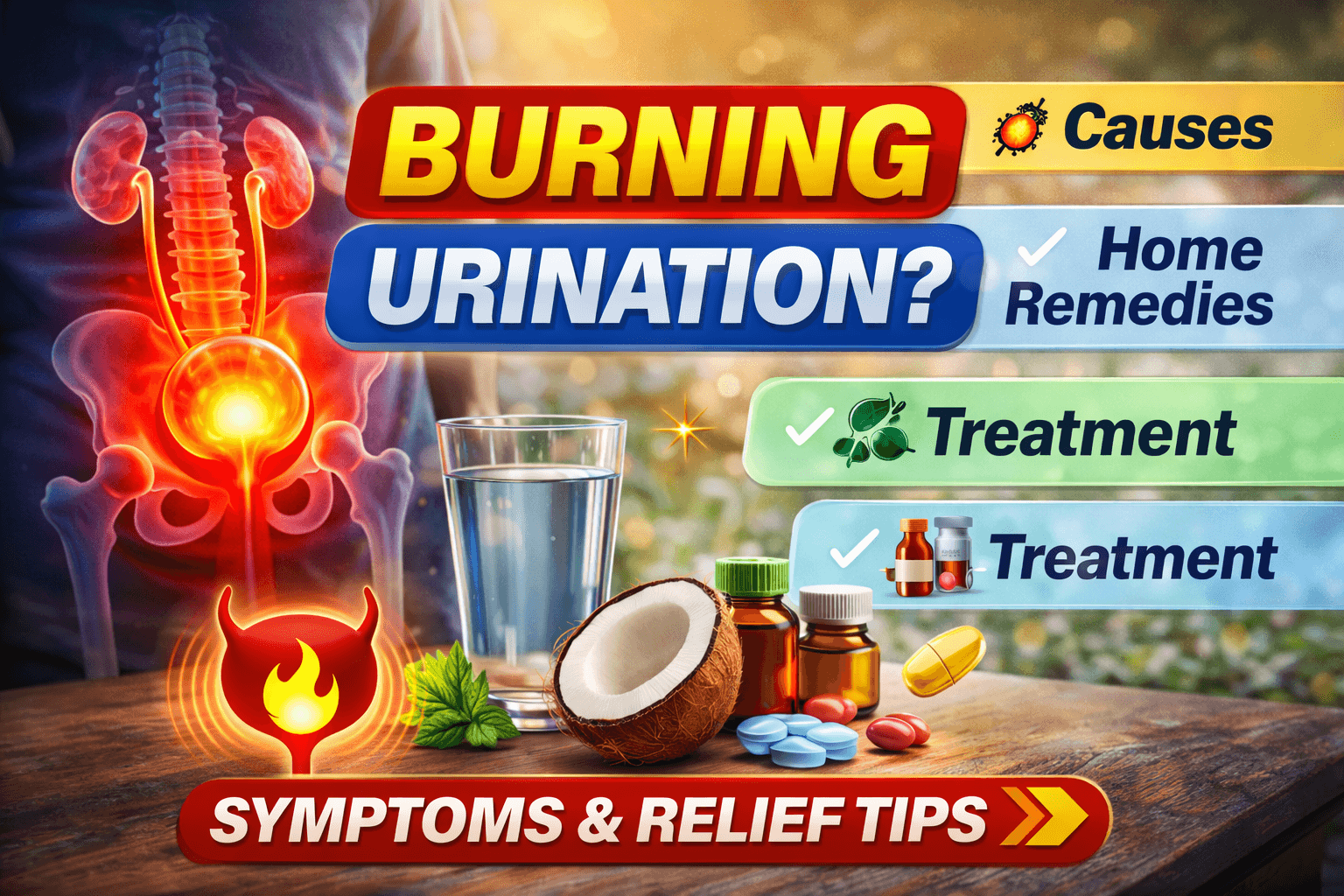
Main Causes of Burning Sensation During Urination (Understanding the Problem)
A burning sensation during urination, commonly referred to as Burning Urination, is a health issue that many people experience at some point in their lives. While it may seem like a minor discomfort at first, it can sometimes be a sign of an underlying medical condition that should not be ignored. Understanding the main causes of this problem can help you take the right steps toward treatment and prevention.
One of the most common causes of a burning feeling while urinating is a urinary tract infection (UTI). This condition occurs when bacteria enter the urinary system, which includes the bladder, kidneys, ureters, and urethra. These bacteria grow and cause irritation and inflammation, leading to pain or a burning sensation during urination. UTIs are more common in women, but men can also be affected. Along with burning, people may also feel the need to urinate frequently or urgently, even if only a small amount of urine comes out.
Another major reason is dehydration, which means not drinking enough water. When your body lacks sufficient fluids, your urine becomes more concentrated. This concentrated urine contains higher levels of waste and chemicals, which can irritate the urinary tract and cause a burning sensation. This is especially common in hot weather or when someone does not drink enough fluids throughout the day.
Diet also plays an important role in this condition. Consuming too many spicy foods, oily meals, caffeine, or alcohol can irritate the bladder and urinary tract. These substances can increase acidity in urine, making it uncomfortable to pass. People who regularly consume junk food or highly processed foods may experience this problem more often.
In some cases, poor personal hygiene can also lead to infections and irritation. Not maintaining proper cleanliness, especially in the genital area, can allow bacteria to grow and enter the urinary tract. This increases the risk of infection and results in discomfort while urinating.
Certain sexually transmitted infections (STIs) can also cause a burning sensation. These infections require proper medical diagnosis and treatment. Ignoring such symptoms can lead to more serious health complications over time.
Additionally, some people may experience burning due to kidney stones or bladder issues. When small, hard deposits form in the kidneys, they can pass through the urinary tract and cause pain, irritation, and burning. This condition often comes with severe discomfort and requires medical attention.
In conclusion, a burning sensation during urination can have several causes, ranging from simple dehydration to more serious infections. It is important to pay attention to your body and not ignore these symptoms. Drinking enough water, maintaining good hygiene, and following a healthy diet can help prevent this issue. However, if the problem continues for more than a few days or becomes severe, it is always best to consult a doctor for proper diagnosis and treatment.
Home Remedies to Reduce Burning Sensation During Urination
A burning sensation during urination can be uncomfortable and sometimes painful. While medical treatment may be needed in serious cases, many mild conditions can be managed with simple home remedies. These natural methods are easy to follow, affordable, and can help provide quick relief when used properly.
One of the most effective remedies is drinking plenty of water. Water helps flush out bacteria and toxins from the urinary system. When you stay hydrated, your urine becomes less concentrated, which reduces irritation and burning. It is recommended to drink at least 8–10 glasses of water daily, especially if you are experiencing discomfort.
Another helpful remedy is coconut water. It is known for its cooling properties and helps maintain the body’s fluid balance. Coconut water can soothe the urinary tract and reduce the burning sensation. Drinking one or two glasses a day can be beneficial.
Buttermilk (chaas) is also a great natural option. It contains probiotics that help fight harmful bacteria in the body. Adding a pinch of salt or roasted cumin powder can make it even more effective. It not only helps digestion but also supports urinary health.
Cranberry juice is widely recommended for urinary problems. It helps prevent bacteria from sticking to the walls of the urinary tract. Make sure to choose unsweetened cranberry juice for better results. Drinking it regularly can reduce the chances of infection and ease burning.
You can also try baking soda (sodium bicarbonate) mixed in water. It helps balance the acidity of urine, which may reduce irritation. However, this remedy should be used occasionally and not in excess, especially if you have high blood pressure or other health issues.
Eating water-rich fruits and vegetables like watermelon, cucumber, and oranges can also help. These foods keep your body hydrated and naturally cleanse the system. They also provide essential vitamins that support overall health.
Maintaining proper hygiene is equally important. Always keep the genital area clean and dry. Wear loose, breathable cotton underwear to prevent moisture buildup, which can lead to bacterial growth. Avoid using harsh soaps or chemical products in sensitive areas.
Avoid consuming spicy foods, caffeine, alcohol, and processed foods during this time, as they can worsen the burning sensation. Instead, focus on a simple and balanced diet that is easy to digest.
Lastly, urinate regularly and do not hold urine for long periods. Holding urine can allow bacteria to grow and increase discomfort. Emptying your bladder frequently helps keep the urinary tract clean.
In conclusion, these home remedies can provide relief from mild burning during urination and support faster recovery. However, if the symptoms continue for more than 2–3 days, or if you experience severe pain, fever, or blood in urine, it is important to consult a doctor immediately. Home remedies are helpful, but proper medical care is essential in serious cases.
When Should You Consult a Doctor?
A burning sensation during urination is often mild and can sometimes be treated with home remedies. However, there are certain situations where this symptom may indicate a more serious health issue. Ignoring these warning signs can lead to complications, so it is important to know when you should seek medical help.
If the burning sensation lasts for more than 2 to 3 days, it is a clear sign that you should consult a doctor. Mild irritation may go away on its own, but persistent discomfort often indicates an infection or another underlying condition that needs proper treatment.
Another important sign is frequent urination with very little output. If you feel the urge to urinate again and again but only pass small amounts of urine each time, it could be a symptom of a urinary tract infection (UTI). This condition requires medical diagnosis and usually needs antibiotics for proper treatment.
You should also be concerned if you notice blood in your urine. This can appear as pink, red, or brown-colored urine. Blood in urine is not normal and may be linked to infections, kidney stones, or other serious conditions. Immediate medical attention is necessary in such cases.
If you experience fever, chills, or lower abdominal pain along with burning urination, do not ignore it. These symptoms may indicate that the infection has spread beyond the bladder and could be affecting the kidneys. Kidney infections are more serious and require prompt medical care.
Another warning sign is foul-smelling or cloudy urine. While urine color can vary depending on hydration and diet, a strong unpleasant smell or cloudy appearance may suggest the presence of bacteria or pus. This is often associated with infections and should be checked by a healthcare professional.
Men may experience additional symptoms such as pain in the lower back, testicles, or difficulty urinating. In such cases, the problem could be related to the prostate or urinary tract and needs proper evaluation.
Women, especially those who are pregnant, should be extra careful. Even mild symptoms during pregnancy should not be ignored, as infections can affect both the mother and the baby. Regular checkups and early treatment are very important.
People with diabetes or weak immune systems should also take this condition seriously. Their bodies may not fight infections effectively, which increases the risk of complications.
Additionally, if you have tried home remedies and there is no improvement, it is better to stop self-treatment and seek professional advice. Taking the wrong medication or delaying treatment can make the condition worse.
In conclusion, while a burning sensation during urination is often not serious, certain symptoms should never be ignored. Persistent pain, blood in urine, fever, or unusual changes in urination are clear signs that you need medical attention. Consulting a doctor at the right time can help diagnose the problem early and prevent further complications. Always listen to your body and take action when something feels wrong.
Effective Medical Treatments for Burning Sensation During Urination
When a burning sensation during urination becomes severe or does not improve with home remedies, medical treatment is necessary. Proper diagnosis by a doctor helps identify the exact cause of the problem, which is important for choosing the right treatment. Different conditions require different approaches, so self-medication should always be avoided.
One of the most common causes of burning urination is a urinary tract infection (UTI). In such cases, doctors usually prescribe antibiotics to kill the bacteria causing the infection. It is very important to complete the full course of antibiotics, even if symptoms improve earlier. Stopping medication halfway can allow the infection to return and become more difficult to treat.
Doctors may also prescribe pain relief medications to reduce discomfort. These medicines help ease the burning sensation and make urination less painful. Some medications also work by soothing the urinary tract lining, providing quick relief.
If the burning is caused by fungal or viral infections, different types of medicines are used. Antifungal or antiviral drugs are prescribed depending on the type of infection. This is why proper medical testing is important before starting any treatment.
In cases where the problem is linked to sexually transmitted infections (STIs), specific medications are required. Both partners may need treatment to prevent reinfection. Doctors may also advise avoiding sexual activity until the infection is fully treated.
Another possible cause is kidney stones. Small stones may pass naturally with increased fluid intake and medication, while larger stones might require medical procedures such as laser treatment or surgery. These treatments help remove the stones and relieve the symptoms, including burning and pain.
Sometimes, burning urination is caused by inflammation or irritation in the bladder or urethra. In such cases, doctors may recommend anti-inflammatory medicines along with lifestyle changes like avoiding spicy foods, caffeine, and alcohol.
For people who experience frequent infections, doctors may suggest preventive measures such as low-dose antibiotics or regular checkups. Maintaining hygiene, staying hydrated, and following a healthy diet are also important parts of long-term prevention.
Diagnostic tests like urine tests, blood tests, or imaging scans may be required to understand the root cause of the problem. These tests help doctors confirm whether the issue is due to infection, stones, or another medical condition.
It is also important to follow the doctor’s advice carefully. Avoid skipping doses, and do not take over-the-counter medicines without proper guidance. Misuse of medication can lead to resistance or worsen the condition.
In conclusion, medical treatment for burning urination depends on the underlying cause, but it is generally safe and effective when done correctly. Early diagnosis and proper treatment can prevent complications and help you recover quickly. If symptoms are severe or persistent, consulting a healthcare professional is always the best and safest choice.
Conclusion
A burning sensation during urination is a common problem, but it should never be ignored. As discussed, it can be caused by several factors such as urinary tract infections (UTIs), dehydration, poor hygiene, unhealthy diet, or more serious conditions like kidney stones or infections. Understanding the root cause is the first step toward proper treatment.
Simple home remedies like drinking plenty of water, consuming natural fluids such as coconut water or buttermilk, and maintaining good hygiene can help reduce mild symptoms. However, these remedies are not always enough, especially when the condition becomes persistent or severe.
It is very important to recognize warning signs such as continuous pain, blood in urine, fever, or frequent urination. These symptoms indicate that medical attention is necessary. Consulting a doctor at the right time can prevent complications and ensure faster recovery.
Medical treatments, including antibiotics, pain relief medications, and other specific therapies, are highly effective when used correctly. Proper diagnosis and completing the prescribed treatment are essential to fully cure the problem and avoid recurrence.
In conclusion, maintaining a healthy lifestyle, staying hydrated, and taking early action when symptoms appear can help you prevent and manage this condition effectively. Always listen to your body and seek professional help whenever needed, because timely care is the key to good health.
➤ Click this link to discover powerful remedies for common body diseases and valuable tips to protect and maintain your overall health.
https://onlinehelpful.com/category/complete-body-health/
Frequently Asked Questions
1. What causes a burning sensation during urination?
A: A burning sensation during urination is usually caused by urinary tract infections (UTIs), dehydration, poor hygiene, or irritation from certain foods and drinks. In some cases, it may also be due to kidney stones or sexually transmitted infections (STIs).
2. How can I get instant relief from burning urination?
A: Drinking plenty of water, consuming coconut water, and avoiding spicy or acidic foods can help provide quick relief. Maintaining proper hygiene and not holding urine for long periods also helps reduce discomfort.
3. When should I see a doctor for burning urination?
A: You should consult a doctor if the burning sensation lasts more than 2–3 days, or if you experience symptoms like fever, blood in urine, severe pain, or frequent urination.
4. Can home remedies cure urine burning completely?
A: Home remedies can help relieve mild symptoms, but they may not completely cure the problem if it is caused by an infection. In such cases, proper medical treatment is necessary.
5. Is burning urination a sign of a serious problem?
A: Not always, but it can sometimes indicate a serious condition like a kidney infection or UTI. If symptoms are severe or persistent, it is important to seek medical advice for proper diagnosis and treatment.